
Drug Interaction Checker: Definition, Function

A drug interaction checker is designed to identify potential interactions between medications, helping patients and healthcare providers prevent dangerous effects. These checkers analyze drug combinations and flag risks such as increased toxicity, reduced effectiveness, or severe side effects. By using databases, web servers, and computational models, these tools compare prescribed drugs, over-the-counter medications, and supplements to detect pharmacokinetic and pharmacodynamic interactions.
The function of a drug interaction checker is to enhance medication safety by predicting potential drug-drug interactions (DDIs) using advanced algorithms. These tools rely on extensive databases containing information on over 15,000 drug entries, including 2,740 approved small-molecule drugs and 1,577 biologics, as noted by Zhao et al. (2024) in the study “Drug–Drug Interaction Prediction: Databases, Web Servers and Computational Models.” By integrating machine learning models, these checkers analyze multiple medications simultaneously, offering warnings about interactions that may cause organ toxicity, blood pressure fluctuations, or central nervous system suppression.
Healthcare professionals use drug interaction checkers to guide safe prescription practices, while individuals in addiction recovery benefit by ensuring their medications do not interfere with treatments for substance use disorders. With the rise of polypharmacy, especially among older adults and those managing chronic conditions, these tools play a critical role in preventing adverse drug reactions and optimizing treatment outcomes.
What Is a Drug Interaction Checker Tool?
A drug interaction checker tool is a digital system that detects potential interactions between prescription medications, over-the-counter drugs, and supplements. These tools help prevent adverse reactions, such as increased toxicity, reduced drug efficacy, or dangerous side effects, by analyzing drug combinations before they are taken together.
The features of a drug interaction checker include access to comprehensive drug databases, real-time interaction alerts, and severity classifications that rank interactions from mild to severe. Some advanced tools use machine learning algorithms to predict interactions based on large-scale datasets, improving accuracy and reliability.
The uses of a drug interaction checker extend to healthcare professionals, pharmacists, and individuals managing complex medication regimens. These tools help reduce the risk of medication errors, especially for individuals in addiction recovery, where certain drugs may interact negatively with medications used for withdrawal management. According to Zhao et al. (2024) in the study “Drug–Drug Interaction Prediction: Databases, Web Servers, and Computational Models,” databases tracking over 15,000 drug interactions enhance safety by flagging dangerous combinations before they cause harm.
Did you know most health insurance plans cover substance use disorder treatment? Check your coverage online now.
How Does a Drug Interaction Checker Work?
A drug interaction checker works by analyzing the compatibility of two or more drugs to determine whether they are taken together safely. These tools use large-scale drug databases to assess potential interactions based on drug properties, metabolism, and known adverse effects. They categorize interactions by severity levels, from minor to severe, helping users understand potential risks before taking medications.
A drug interaction checker functions through automated algorithms that cross-reference medications against clinical research and pharmacological data. It identifies interactions by evaluating how drugs are absorbed, metabolized, and excreted, flagging those that may reduce efficacy or increase toxicity. In a study published in JAMA Network Open (2022) titled “Identification of Drug Interaction Adverse Events in Patients With Cancer Using Drug Interaction Checkers: A Systematic Review,” these tools were found to detect significant drug-drug interactions in cancer patients, potentially preventing adverse drug reactions that could impact treatment outcomes.
How to Use Grovetreatment Drug Interaction Checker Tool?
To use the Grovetreatment Drug Interaction Checker Tool, enter the names of medications, such as ibuprofen and warfarin to check for potential interactions. This tool helps users determine whether combining certain drugs could cause adverse effects, ensuring safer medication management. After inputting multiple drugs, supplements, or substances, the tool analyzes a database containing over 118,000 known interactions and generates results that classify risks by severity. According to the Pharmaceutical Press’s 2025 article “Stockley’s Interactions Checker,” the tool is updated monthly, with 236 new interactions added and 708 existing ones modified in February 2025, ensuring up-to-date information. Each result includes a brief description of the interaction, its severity, and recommendations, such as dosage adjustments or alternative medications.
What Functionalities Are Available in a Drug Interaction Checker Tool?
The functionalities available in the Grovetreatment Drug Interaction Checker Tool help users identify potential risks when combining medications like opioids and antidepressants. This tool provides an extensive database of over 118,000 interactions, offering detailed reports on how different drugs, supplements, and substances may interact. Users access critical information on drug compatibility, severity ratings, and alternative treatment recommendations. According to the Pharmaceutical Press’s 2025 article “Stockley’s Interactions Checker,” the tool is updated monthly, with 236 new interactions added and 708 existing ones modified in February 2025, ensuring reliability in medical decision-making.
Contact us today to schedule an initial assessment or to learn more about our services. Whether you are seeking intensive outpatient care or simply need guidance on your mental health journey, we are here to help.
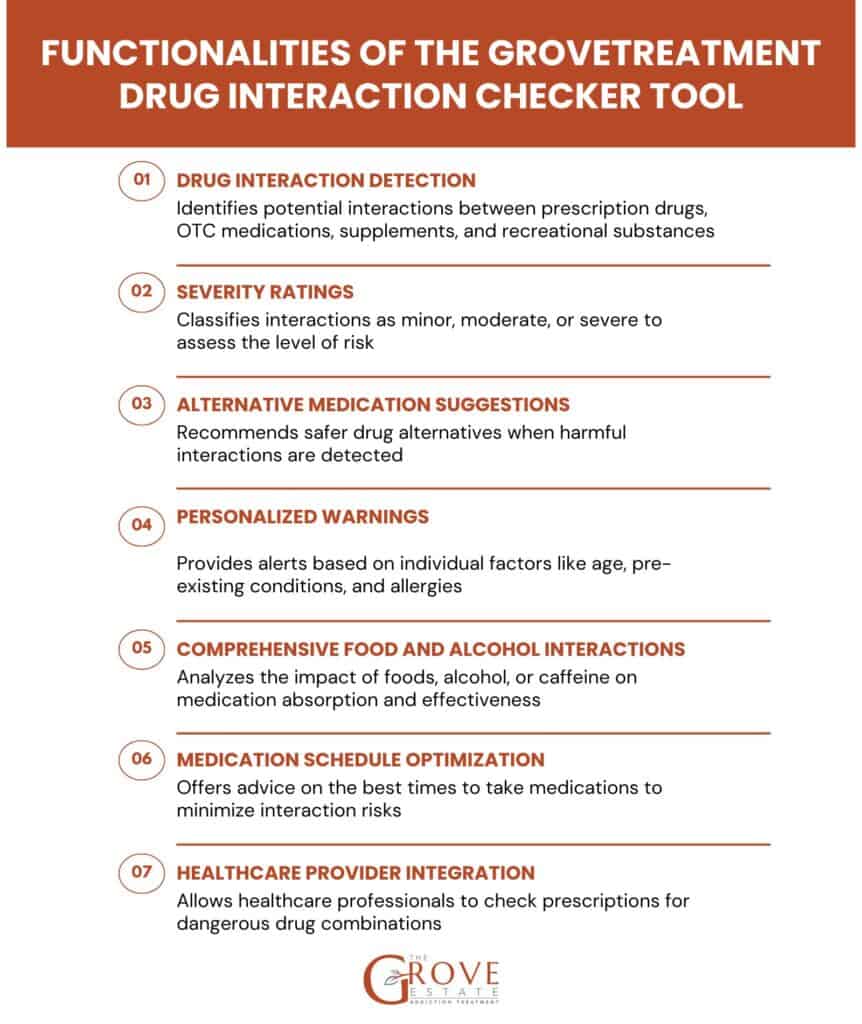
Functionalities of the grovetreatment drug interaction checker tool:
- Drug Interaction Detection: Identifies interactions between prescription drugs, over-the-counter medications, supplements, and recreational substances.
- Severity Ratings: Classifies interactions as minor, moderate, or severe, helping users assess risk levels before taking medications together.
- Alternative Medication Suggestions: Provides recommendations for safer drug alternatives when a harmful interaction is detected.
- Personalized Warnings: Customizes alerts based on user-specific factors such as age, pre-existing conditions, and known allergies.
- Comprehensive Food and Alcohol Interactions: Analyzes how certain foods, alcohol, or caffeine may impact medication absorption and effectiveness.
- Medication Schedule Optimization: Offers guidance on the best timing for taking medications to minimize interaction risks.
- Healthcare Provider Integration: Allows pharmacists and doctors to cross-check prescriptions to avoid dangerous drug combinations.
What Types of Interactions Can a Drug Interaction Checker Tool Detect?
The types of interactions a drug interaction checker tool can detect include reactions between medications like opioids and benzodiazepines, foods like grapefruit juice, and conditions like liver disease. These tools analyze potential risks by comparing substances in real time, helping patients and healthcare providers prevent harmful combinations. According to the U.S. Food and Drug Administration’s 2013 article “Drug Interactions: What You Should Know,” such tools help reduce adverse drug events, which contribute to nearly 30% of all hospital admissions related to medication complications.
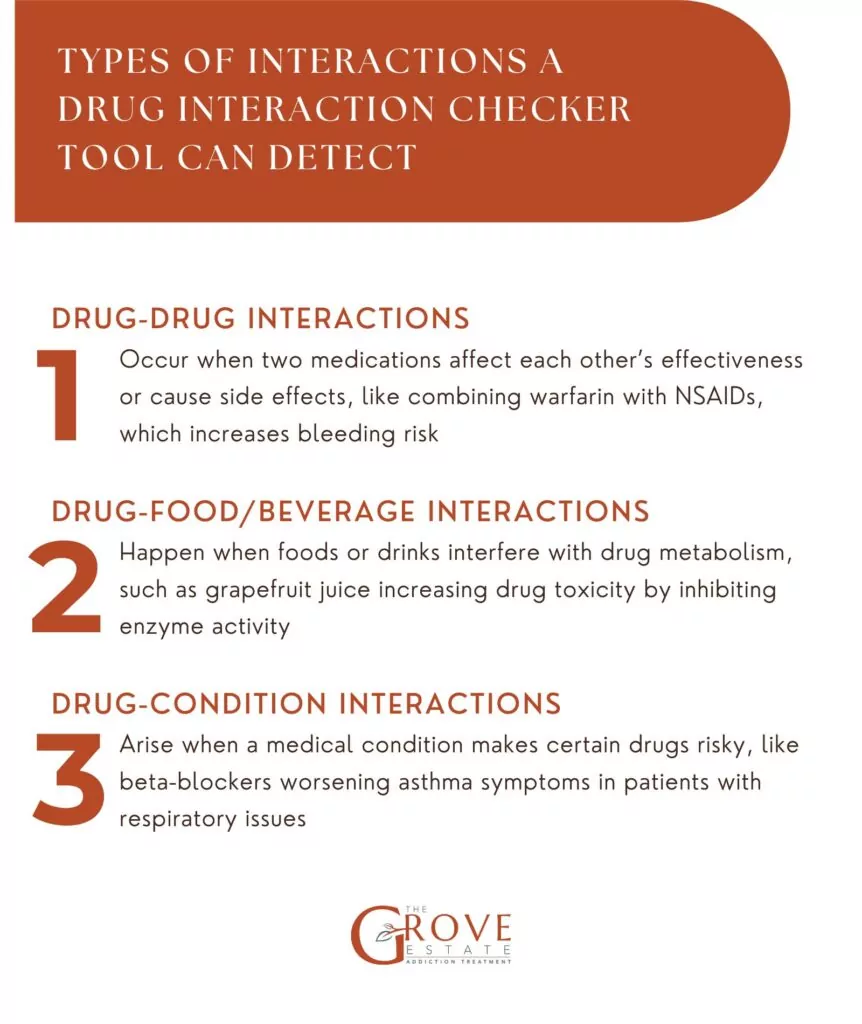
Types of interactions a drug interaction checker tool can detect:
- Drug-Drug Interactions: These occur when two medications interact in ways that alter their effectiveness or cause unexpected side effects. For example, combining warfarin with NSAIDs increases the risk of severe bleeding, which is why interaction checkers flag this combination as high-risk. If you’re concerned about how alcohol may be affecting your medications or overall health, our inpatient alcohol rehab program offers comprehensive support to guide you toward recovery.
- Drug-Food/Beverage Interactions: This happens when certain foods or drinks interfere with drug metabolism. Grapefruit juice inhibits the CYP3A4 enzyme, leading to increased concentrations of some drugs like statins, raising toxicity risks.
- Drug-Condition Interactions: Occur when a pre-existing medical condition makes certain drugs dangerous. Beta-blockers, for example, worsen asthma symptoms, which interaction checkers highlight for patients with respiratory conditions.
Are you covered for treatment?
The Grove Estate is an approved provider for Blue Cross Blue Shield and Cigna, while also accepting many other major insurance carriers.
Check Coverage Now!What Drugs Interact With Prescription Medications?
The drugs that interact with prescription medications include psychiatric drugs like antidepressants, pain relievers like opioids, and cardiovascular medications like blood thinners. These interactions lead to severe side effects, reduced effectiveness, or dangerous health risks. According to the U.S. Food and Drug Administration (2013) in “Drug Interactions: What You Should Know,” nearly 50% of Americans take at least one prescription drug, and 20% take five or more, increasing the risk of harmful interactions.
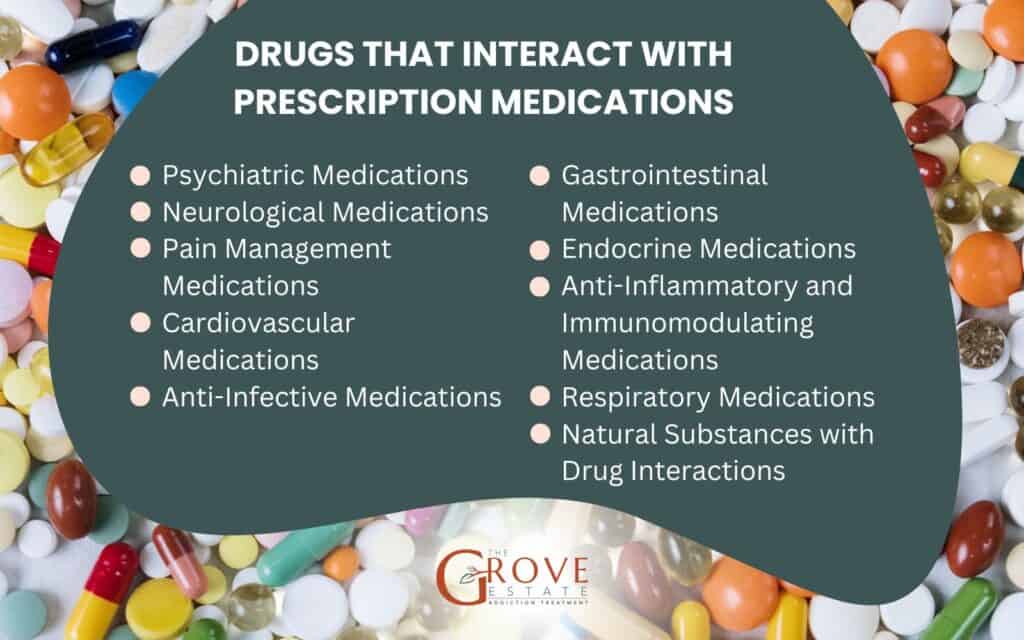
Drugs that interact with prescription medications:
- Psychiatric Medications: Antidepressants, antipsychotics, and mood stabilizers interact with many drugs, including selective serotonin reuptake inhibitors (SSRIs) like fluoxetine, which cause serotonin syndrome when combined with tramadol or St. John’s Wort.
- Neurological Medications: Drugs used for epilepsy and Parkinson’s disease are affected by antibiotics or antipsychotics. Phenytoin, a common seizure medication, reduces the effectiveness of warfarin, increasing clotting risk.
- Pain Management Medications: Opioids like oxycodone and muscle relaxants like cyclobenzaprine dangerously suppress breathing when combined with benzodiazepines or alcohol.
- Cardiovascular Medications: Blood thinners like warfarin interact with aspirin or NSAIDs, increasing bleeding risks. Beta-blockers like metoprolol are dangerous when taken with calcium channel blockers.
- Anti-Infective Medications: Antibiotics like ciprofloxacin interfere with blood thinners and antacids. Rifampin lowers the effectiveness of birth control pills, increasing pregnancy risk.
- Gastrointestinal Medications: Proton pump inhibitors like omeprazole reduce the absorption of clopidogrel, decreasing its effectiveness in preventing blood clots.
- Endocrine Medications: Insulin and oral diabetes drugs like metformin interact with steroids, leading to dangerously high blood sugar levels.
- Anti-Inflammatory and Immunomodulating Medications: Corticosteroids like prednisone weaken the immune system further when combined with biologics or chemotherapy drugs.
- Respiratory Medications: Bronchodilators like albuterol cause dangerous heart rate increases when mixed with decongestants like pseudoephedrine.
- Natural Substances with Drug Interactions: Herbal supplements like St. John’s Wort reduce the effectiveness of antidepressants and birth control, while grapefruit juice raises blood levels of statins, leading to toxicity.
What Drugs Interact With Certain Foods?
The drugs that interact with certain foods include blood thinners with leafy greens, antibiotics with dairy, and statins with grapefruit. These interactions reduce drug effectiveness, increase side effects, or lead to dangerous health consequences. According to the U.S. Food and Drug Administration (2013) in “Drug Interactions: What You Should Know,” nearly 20% of adverse drug reactions are linked to food-drug interactions, highlighting the importance of understanding these risks.
Rediscover Life at The Grove Estate
Get the compassionate mental health support you deserve. We're here to help you reclaim joy, wellness, and a brighter future.
Our Facility
Foods that interact with medications:
- Grapefruit and Citrus Products: Grapefruit juice interacts with statins like atorvastatin, increasing drug levels in the blood and leading to muscle damage. It also affects calcium channel blockers, causing dangerously low blood pressure. According to the Merck Manual Consumer Version (2023) in “Some Drug-Food Interactions,” grapefruit interacts with over 85 drugs, making it one of the most significant food-drug interactions.
- Dairy Products and Calcium-Rich Foods: Milk, yogurt, and cheese interfere with antibiotics like ciprofloxacin, reducing their absorption and making them less effective. Calcium also binds to thyroid medications like levothyroxine, decreasing their potency.
- Vitamin K-Rich Foods (Leafy Greens): Spinach and kale reduce the effectiveness of warfarin, a blood thinner, by promoting clotting. Patients on anticoagulants must keep their vitamin K intake consistent.
- Tyramine-Rich Foods: Aged cheese, cured meats, and fermented foods interact with monoamine oxidase inhibitors (MAOIs) like phenelzine, leading to dangerously high blood pressure and headaches. According to the Merck Manual Consumer Version (2023), MAO inhibitors have fatal interactions with tyramine-rich foods, causing severe hypertensive crises.
- High-Fiber Foods: Whole grains and legumes slow the absorption of digoxin, a heart medication, reducing its effectiveness in treating heart failure and arrhythmias.
What Drugs Interact With Specific Health Conditions?
The drugs that interact with specific health conditions include pain relievers in kidney disease, statins in liver disease, and blood thinners in pregnancy. These interactions lead to reduced drug clearance, toxicity, or harmful side effects. According to the Merck Manual Consumer Version (2023) in “Some Drug-Condition Interactions,” nearly 50% of adverse drug reactions occur in patients with preexisting conditions, making it crucial to monitor medication use in vulnerable populations.
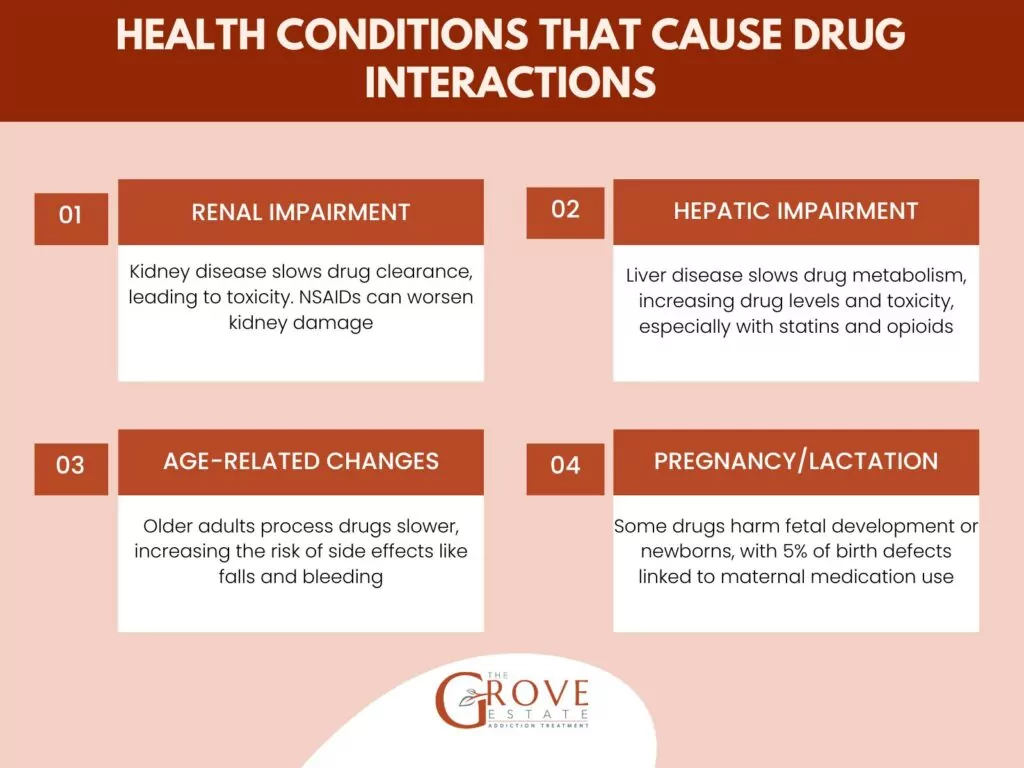
Health conditions that cause drug interactions:
- Renal Impairment: Kidney disease affects how the body clears drugs like NSAIDs, metformin, and certain antibiotics. Reduced kidney function leads to drug accumulation, increasing the risk of toxicity. NSAIDs like ibuprofen worsen kidney damage by reducing blood flow to the kidneys.
- Hepatic Impairment: Liver disease slows the metabolism of drugs like statins, benzodiazepines, and opioids, leading to increased drug levels in the bloodstream. Statins cause liver toxicity in individuals with preexisting liver disease, worsening liver damage.
- Age-Related Changes: Older adults process drugs more slowly due to decreased liver metabolism and kidney function, increasing the risk of side effects. Medications like sedatives, antihypertensives, and blood thinners pose a higher risk of falls, bleeding, or confusion in elderly patients.
- Pregnancy/Lactation: Some drugs cross the placenta or enter breast milk, affecting fetal development or newborn health. Blood thinners, ACE inhibitors, and certain antibiotics cause birth defects or bleeding complications in pregnancy. According to the Merck Manual Consumer Version (2023), 5% of birth defects are linked to maternal medication use, highlighting the need for careful drug selection during pregnancy and breastfeeding.
Did you know most health insurance plans cover substance use disorder treatment? Check your coverage online now.
What Drugs Interact With Herbal Supplements?
The drugs that interact with herbal supplements include blood thinners with garlic, antidepressants with St. John’s Wort, and immunosuppressants with echinacea. These interactions increase the risk of bleeding, reduce drug effectiveness, or cause dangerous side effects. According to Izzo and Ernst (2009) in “Interactions Between Herbal Medicines and Prescribed Drugs,” nearly 20% of patients using prescription medications also take herbal supplements, increasing the likelihood of drug interactions.
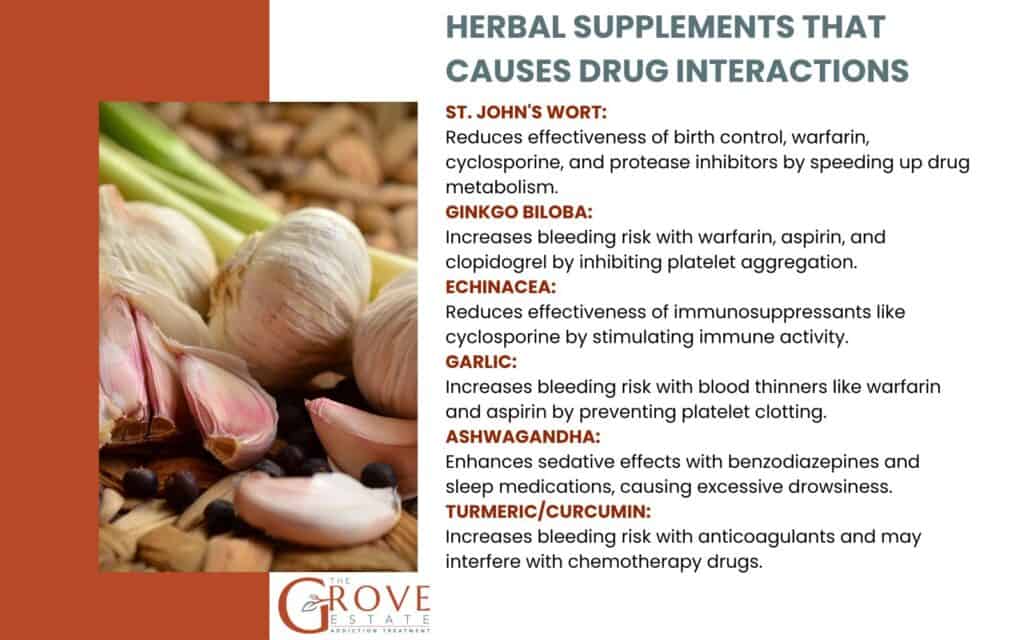
Herbal supplements that cause drug interactions:
- St. John’s Wort: Used for mild depression and anxiety, this herb reduces the effectiveness of oral contraceptives, warfarin, cyclosporine, and protease inhibitors. It induces CYP3A4 enzymes, speeding up drug metabolism and lowering drug levels in the blood.
- Ginkgo Biloba: Commonly used for memory enhancement and circulation, this supplement increases the risk of bleeding when taken with warfarin, aspirin, or clopidogrel. It inhibits platelet aggregation, leading to prolonged bleeding times.
- Echinacea: Often used to boost immune function, this supplement interferes with immunosuppressants like cyclosporine and tacrolimus. It stimulates immune activity, potentially reducing the effectiveness of transplant medications.
- Garlic Supplements: Popular for heart health and cholesterol reduction, garlic increases bleeding risk when combined with blood thinners like warfarin, heparin, or aspirin. It prevents platelet clotting, leading to excessive bruising or hemorrhage.
- Ashwagandha: Known for stress relief and energy enhancement, this herb amplifies sedative effects when combined with benzodiazepines, barbiturates, or sleep medications. It enhances central nervous system depression, leading to excessive drowsiness.
- Turmeric/Curcumin: Used for anti-inflammatory and antioxidant benefits, turmeric increases bleeding risk when taken with anticoagulants like warfarin or NSAIDs and may interfere with chemotherapy drugs. It affects platelet function and alters liver enzyme activity.
How Do Genetic Factors Influence Drug Interactions?
Genetic factors influence drug interactions by affecting how medications are metabolized, absorbed, and processed in the body. People with variations in drug-metabolizing enzymes, such as those in the CYP450 enzyme family, may experience reduced drug effectiveness or severe side effects. According to Izzo, A. A., & Ernst, E. (2009) in the study “Interactions Between Herbal Medicines and Prescribed Drugs: An Updated Systematic Review,” published in Drugs (Springer Nature), nearly 30% of adverse drug reactions result from genetic differences in drug metabolism, highlighting the importance of genetic testing in prescribing medications.
Genetic variations that affect drug interactions:
CYP450 Enzyme Polymorphisms: These genetic variations affect the cytochrome P450 enzymes, which metabolize over 75% of prescription drugs. People with slow-metabolizing variants may experience toxic drug buildup, while rapid metabolizers may eliminate drugs too quickly, reducing their effectiveness.
- Interacting Drugs: Antidepressants, anticoagulants (e.g., warfarin), opioids (e.g., codeine), and certain chemotherapy drugs.
- How It Causes Interaction: A slower metabolism increases drug concentration, leading to toxicity, while a rapid metabolism reduces therapeutic effects.
P-Glycoprotein Variations: P-glycoprotein is a transport protein that controls drug absorption and excretion, especially in the intestines, liver, and brain.
- Interacting Drugs: Antiepileptics (e.g., phenytoin), HIV medications (e.g., ritonavir), and chemotherapy drugs.
- How It Causes Interaction: Genetic differences increase or decrease drug absorption, affecting how much medication reaches the bloodstream and brain.
HLA Haplotypes: Human leukocyte antigen (HLA) variations influence immune responses to drugs, making some people prone to severe allergic reactions or life-threatening conditions like Stevens-Johnson syndrome.
- Interacting Drugs: Anticonvulsants (e.g., carbamazepine), antibiotics (e.g., abacavir), and NSAIDs.
- How It Causes Interaction: Certain HLA variants trigger severe immune reactions, leading to skin disorders, organ failure, or anaphylaxis.
How Are Drugs Affected by Environmental Factors?
Drugs are affected by environmental factors such as smoking, sunlight exposure, and air pollution, which alter their effectiveness, metabolism, and potential side effects. Substances in cigarette smoke speed up the breakdown of certain medications, making them less effective. Sunlight degrades some drugs, reducing their potency. Air pollution interferes with drug metabolism, leading to unexpected side effects or reduced efficacy.
Environmental factors that affect drugs include:
- Smoking: Tobacco smoke induces liver enzymes that break down medications faster, requiring higher doses for effectiveness. This affects drugs like antidepressants, anticoagulants, and pain relievers, reducing their therapeutic impact. According to Benowitz (2021) in the study “Drug Interactions with Tobacco Smoking,” smokers may need up to 30% higher doses of certain medications due to increased metabolism rates.
- Sunlight Exposure: Ultraviolet rays degrade drugs like antibiotics, antihypertensives, and chemotherapy medications, lowering their effectiveness. Some drugs, such as tetracyclines and diuretics, also increase sun sensitivity, leading to a higher risk of sunburn and skin damage.
Air Pollution: Long-term exposure to pollutants interferes with drug absorption and metabolism, affecting lung function and immune response. A 2023 study by Schichlein et al. in “Respiratory Research” found that air pollution-induced lung injury reduces the efficacy of inhaled medications, particularly for respiratory conditions like asthma and COPD. Research suggests that inhaled antioxidants may help counteract oxidative damage caused by pollutants, which impair lung function and lead to decreased medication effectiveness.
Share This Post

The Grove Editorial Team
All author posts
ADDICTION TREATMENTS IN INDIANA
Are you covered for treatment?





The Grove Estate is an approved provider for Blue Shield of California and Cigna, while also accepting many other major insurance carriers.
Check Coverage Now!