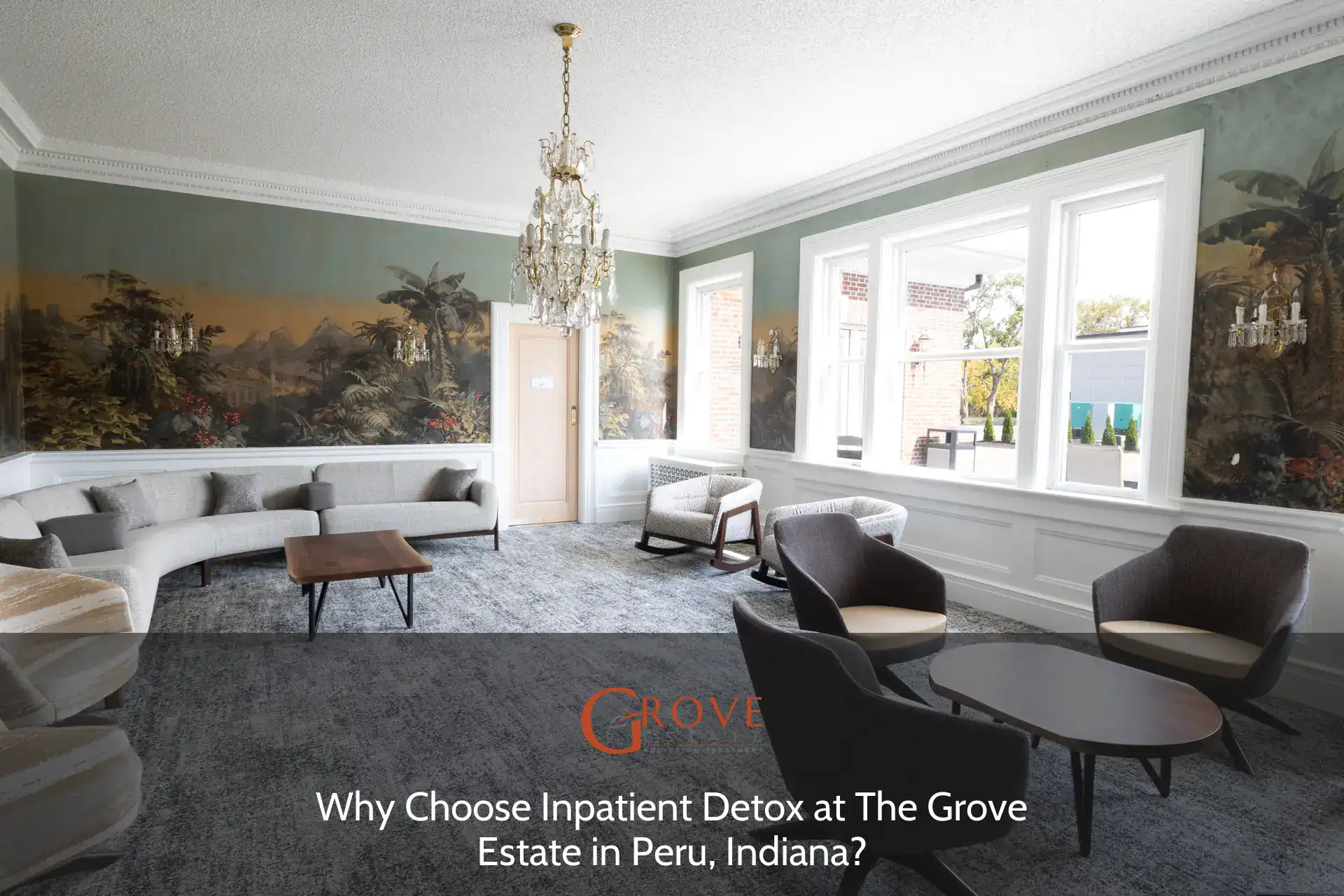
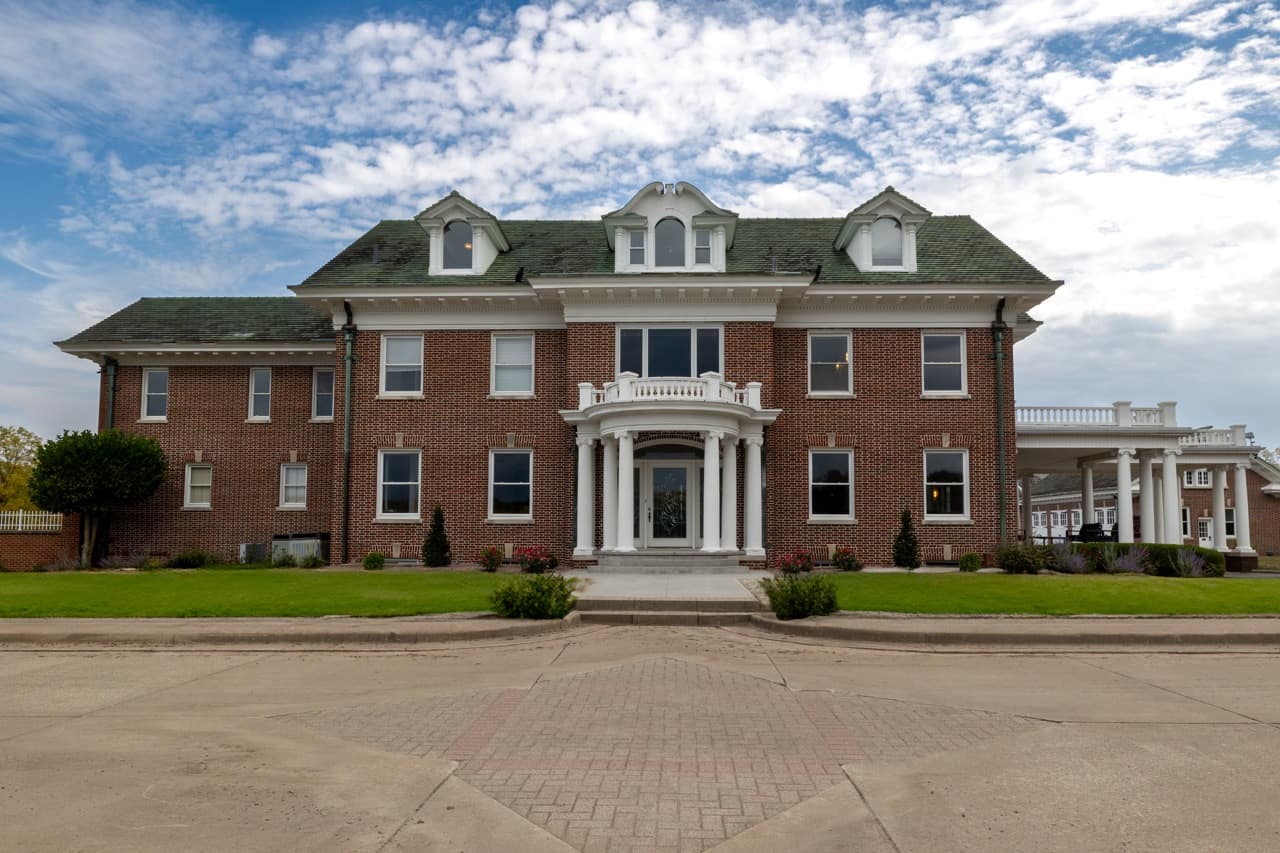
The substances we treat at The Grove Estate are alcohol, opioids (e.g., heroin, prescription painkillers), benzodiazepines (e.g., Xanax, Valium),and Stimulants (e.g., cocaine, meth). The drugs that are treated during the residential detox program at The Grove Estate in Indiana include:
Alcohol
Alcohol abuse alters the brain by triggering structural damage, including gray matter shrinkage, reduced neuroplasticity, disrupted neurotransmitter activity, cognitive decline, memory impairment, mood instability, sleep disruption, and an increased risk of neurodegenerative disorders. In 2023, Indiana ranked 16th in the U.S. for excessive drinking, with 16% of adults reporting binge or heavy drinking, according to America’s Health Rankings.
Opioids
Opioid Treatment Programs (OTPs) deliver a comprehensive approach to managing opioid use disorders by combining FDA-approved medications with structured counseling and behavioral therapies. Commonly referred to as Medication-Assisted Treatment (MAT), this integrated model targets the physical dependence and the underlying psychological factors of addiction, promoting long-term recovery through medical, emotional, and social support. Opioid prescriptions dispensed by Indiana pharmacies declined by 31% between 2017 and 2024, according to the Indiana State Government’s “Progress Report”.
Benzodiazepines
Benzodiazepine addiction is barely the primary reason for substance use treatment admissions in Indiana compared to opioids or methamphetamine, but it remains a major concern due to its role in polysubstance abuse and overdose risk. Benzodiazepine use in the U.S. is more widespread than previously recognized, with nearly 20% of overall use classified as misuse. These medications are prescribed to over 5% of the adult population, with usage steadily increasing—particularly among middle-aged adults.
Stimulants
Stimulants, like opioids, comprise a category of drugs that consist of legal medications and illegal substances, each with a high potential for misuse. Frequently abused stimulants range from illicit drugs such as cocaine, crack cocaine, and methamphetamine to prescription medications like Adderall, Ritalin, and other amphetamine-based products. While legal stimulants are used to treat conditions like ADHD and narcolepsy, their non-medical use has serious health risks, addiction, and long-term neurological damage. In Indiana, recent data from the 2020 National Survey on Drug Use and Health (NSDUH) show that approximately 1.8% of residents reported cocaine use within the past year.