
Inhalant addiction: Definition, Types, Signs and Symptoms, Effects, Treatment

Inhalant addiction, commonly referred to as “huffing,” is a critical yet frequently overlooked public health concern that presents considerable risks. This type of substance abuse involves the inhalation of vapors from everyday household products, resulting in both immediate and long-term adverse effects.
According to the National Institute of Drug Abuse, 0.8%, or about 2.2 million people, aged 12 or older, reported using inhalants in the past 12 months. Despite its potential for addiction and severe health consequences, inhalant abuse is less acknowledged compared to other drugs.
Types of inhalant addiction include gasoline inhalation, nitrous oxide abuse, ether misuse, toluene-based substances, and butane huffing. These volatile substances produce immediate euphoric effects, disorientation, and impaired judgment, while long-term exposure can lead to severe organ damage, neurological complications, and life-threatening health issues.
Signs and symptoms of inhalant addiction include chemical odors on breath and clothing, skin discoloration, and sudden behavioral changes like social withdrawal and mood swings. Physical indicators include coordination problems, dizziness, and weight changes, while behavioral signs involve declining performance and increased secrecy. Recognizing these signs is essential for early intervention and treatment.
The effects of inhalant use include immediate risks such as euphoric sensations, impaired coordination, and life-threatening conditions like Sudden Sniffing Death Syndrome. Short-term effects involve dizziness, altered judgment, and hallucinations, while long-term exposure can lead to severe neurological damage, cardiovascular complications, and the development of psychiatric disorders. Additionally, chronic use results in significant physical health deterioration, including organ dysfunction and noticeable changes in appearance, underscoring the critical need for awareness and intervention.
Treatment for inhalant addiction typically involves a comprehensive approach, beginning with detoxification to manage physical withdrawal in a secure environment. According to Radparvar S.’s 2023 study, ‘The Clinical Assessment and Treatment of Inhalant Abuse.’, baclofen at doses up to 50 mg orally per day, lamotrigine at 100 mg orally per day, and buspirone at 40 mg orally per day. For risperidone, two dosage levels are discussed: a lower dose of 0.5 mg orally twice per day and a higher dose of 1 mg orally twice per day. Regarding the pharmacokinetics of inhalants, the only temporal data point indicates that peak concentrations occur within several minutes after inhalation.
This is followed by behavioral therapies such as Cognitive Behavioral Therapy (CBT) to address the root causes of addiction. Family therapy and support groups play crucial roles in providing a supportive network, essential for long-term recovery and relapse prevention. Awareness and education about the risks of inhalant abuse are key to preventing and addressing this dangerous behavior effectively.
What is Inhalant Addiction?
Inhalant addiction is a type of substance use disorder characterized by the compulsive and harmful pattern of inhaling volatile substances, such as solvents, aerosols, gases, and nitrites (including paint thinners, glue, gasoline, aerosol sprays, cleaning fluids, nail polish remover, and whipped cream dispensers containing nitrous oxide), to achieve a mind-altering effect. This condition involves repeatedly breathing in toxic chemical vapors through the nose or mouth (“huffing,” “sniffing,” or “bagging”), despite serious physical and psychological consequences, leading to tolerance, dependence, and withdrawal symptoms when use is stopped, and is particularly dangerous because these substances cause immediate death through cardiac arrest (“sudden sniffing death syndrome”), as well as long-term damage to the brain, liver, kidneys, and other vital organs.
According to Karaca, G.’s 2024 study, ‘Toluene Inhalant Addiction and Cardiac Functions in Young Adults: A Comparison of Electrocardiographic and Echocardiographic Parameters.’, the study of 32 thinner-addicted young adults versus 30 controls, ECG measurements revealed significant cardiac electrical changes: longer QT intervals (388.44ms vs 360.00ms, p=0.01), increased corrected QTc (425.42ms vs 387.69ms, p=0.003), and wider P-waves (118.28ms vs 108.67ms, p<0.001), despite normal heart rates and echocardiographic findings.
Did you know most health insurance plans cover substance use disorder treatment? Check your coverage online now.
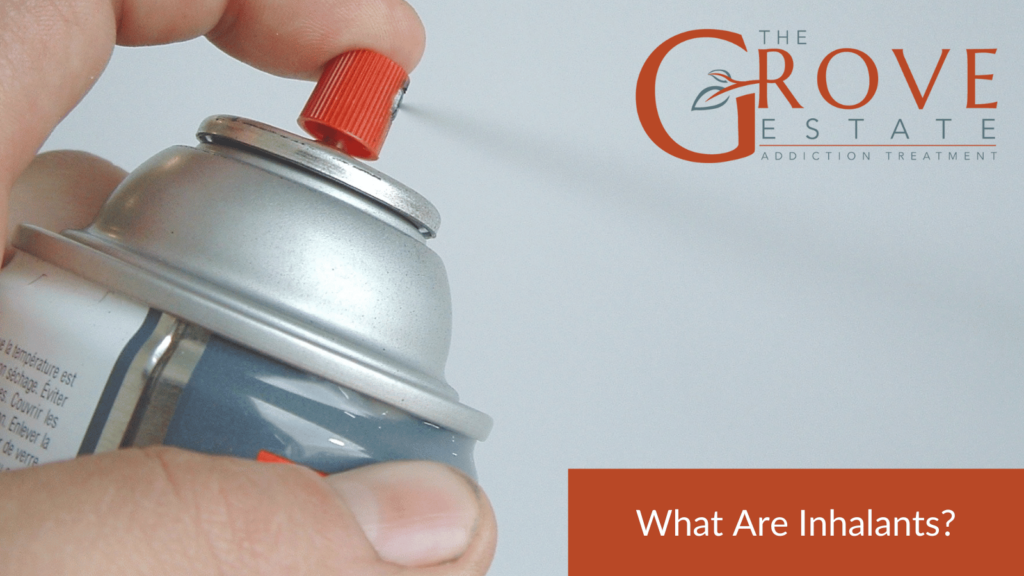
What Are Inhalants?
Inhalants are substances whose chemical vapors can be inhaled to produce psychoactive effects. These substances are often found in common household and industrial products. The allure of inhalants is primarily due to their accessibility and the rapid onset of their intoxicating effects, which can mimic those of alcohol.
Inhalants are categorized into four main groups based on their physical forms and the common products they are found in:
- Solvents: These are liquid substances that vaporize at room temperatures. Common examples include paint thinners, dry cleaning fluids, gasoline, lighter fluid, and various glues. These solvents are typically found in products such as cleaning fluids, nail polish removers, and marker pens.
- Aerosols: These are substances found in spray cans that contain propellants and solvents. Products such as spray paints, hair or deodorant sprays, cooking oil sprays, and fabric protector sprays fall into this category.
- Gasses: These can be found in household or commercial products as well as in medical anesthetics. Examples include butane lighters, propane tanks, whipped cream aerosols (whippets), and medical gasses like ether, chloroform, halothane, and nitrous oxide (often referred to as laughing gas).
- Nitrites: Often considered a separate class due to their different mechanism of action, these include substances like amyl, butyl, and isobutyl nitrite. Commonly known as “poppers” or “snappers,” nitrites are used primarily as sexual enhancers or muscle relaxants and are found in products marketed as room odorizers or leather cleaners.
How Are Inhalants Used?
Inhalants are used through a few common methods that exploit their volatile nature to achieve rapid psychoactive effects. Here’s a list outlining the common methods of inhalant use:
| Method | Description | Appeal to Younger Demographics |
| Sniffing | Involves directly inhaling the vapors from the container by placing the nose close to the opening. | Simple and quick, requiring minimal preparation, which appeals to younger users looking for an accessible way to experiment. |
| Snorting | Similar to sniffing, but involves a stronger, quicker inhalation to intensify the effect. | Offers a fast and intense experience, which can be tempting to those seeking a strong and rapid high. |
| Bagging | Involves spraying or placing the inhalant into a plastic or paper bag and then breathing in the vapors from the bag. | The method allows the vapors to accumulate and concentrate, providing a more potent effect, which can be more appealing for its efficiency. |
| Huffing | Consists of soaking a rag with an inhalant and pressing it to the mouth or nose. | Provides a sustained release of vapors, which may appeal to those looking for prolonged effects. |
The appeal of inhalants, especially to younger demographics, largely stems from the easy accessibility and perceived lower risk compared to other substances. Inhalants are often readily available at home or in common products around the house, making them one of the first accessible psychoactive substances to young people. Furthermore, the rapid onset of effects, which can include euphoria and hallucinations, adds to their allure, despite the significant health risks associated.
What Are The Types Of Inhalant Addiction?
The types of inhalant addiction include gasoline inhalation, nitrous oxide abuse, ether misuse, toluene-based substances, and butane huffing. These volatile substances cause immediate euphoric effects, disorientation, and impaired judgment, while long-term exposure often results in severe organ damage, neurological complications, and life-threatening health issues.
Here are the common types of inhalant addiction in detail:
Contact us today to schedule an initial assessment or to learn more about our services. Whether you are seeking intensive outpatient care or simply need guidance on your mental health journey, we are here to help.
Gasoline Addiction
Gasoline addiction involves the intentional inhalation of gasoline vapors to achieve a euphoric high. Inhalation causes dizziness, hallucinations, and loss of coordination. Prolonged use leads to brain damage, kidney failure, and respiratory issues. Withdrawal symptoms of gasoline addiction include nausea, headaches, and irritability.
Nitrous Oxide Addiction
Nitrous oxide addiction refers to the misuse of nitrous oxide, commonly known as “laughing gas,” found in whipped cream dispensers or medical settings. Frequent inhalation causes euphoria, dizziness, and numbness. Long-term use of Nitrous oxide results in vitamin B12 deficiency, nerve damage, and memory problems.
Ether Addiction
Ether addiction involves the inhalation of ether, a volatile liquid once used as an anesthetic. Inhalation leads to sedation, confusion, and impaired judgment. Chronic use of Ether addiction increases the risk of liver and kidney damage, as well as respiratory depression.
Are you covered for treatment?
The Grove Estate is an approved provider for Blue Cross Blue Shield and Cigna, while also accepting many other major insurance carriers.
Check Coverage Now!Toluene Addiction
Toluene addiction refers to the misuse of toluene, a solvent found in paint thinners, glues, and adhesives. Inhalation causes euphoria, dizziness, and slurred speech. Long-term exposure to Toluene addiction damages the brain, liver, and kidneys, and withdrawal symptoms include fatigue, irritability, and headaches.
Butane Addiction
Butane addiction involves the inhalation of butane, a gas commonly found in lighters and aerosol sprays. Inhalation leads to euphoria, drowsiness, and impaired coordination. Prolonged use of Butane addiction causes heart arrhythmias, brain damage, and respiratory failure.
What Are The Signs and Symptoms of Inhalant Addiction?
The signs and symptoms of inhalant addiction include chemical traces on breath and clothing, visible skin discoloration, and sudden behavioral changes like social withdrawal and mood fluctuations. Physical indicators often manifest as coordination problems, unexplained dizziness, and noticeable weight changes, while behavioral patterns show through declining academic or work performance and increased secretive conduct.
Here are the common signs of inhalant addiction:
Rediscover Life at The Grove Estate
Get the compassionate mental health support you deserve. We're here to help you reclaim joy, wellness, and a brighter future.
Our Facility
Physical Signs and Symptoms of Inhalant Addiction
Here are the key physical signs and symptoms of inhalant addiction:
- Chemical Odor: A noticeable smell of chemicals on the breath or clothes, often linked to substances like glue, paint, or solvents.
- Stains on Skin: Stains from inhalants, such as paint or other substances, appear around the nose, mouth, or hands.
- Neglect of Personal Hygiene: Individuals show a decline in personal care, appearing increasingly unkempt and disheveled.
- Dizziness: Frequent episodes of dizziness or lightheadedness, which occur after inhalant use.
- Poor Coordination: Noticeable difficulties in coordination, leading to clumsiness and unsteady movements.
- Weight Loss: Significant changes in appetite lead to noticeable weight loss over a short period.
- Nausea and Vomiting: Frequent episodes of nausea or vomiting, which are direct effects of inhalant use.
Behavioral Signs and Symptoms of Inhalant Addiction
Here are the key behavioral signs and symptoms of inhalant addiction:
- Mood Swings: Abrupt changes in mood, including irritability, anxiety, or signs of depression, often without clear triggers.
- Social Withdrawal: A marked retreat from social interactions, leading to isolation from friends and family.
- Loss of Interest: A decline in interest in previously enjoyed activities, hobbies, or social events.
- Decline in Performance: A noticeable drop in performance at school or work, including missed deadlines and decreased productivity.
- Secretive Behavior: Engaging in deceptive behaviors to conceal substance use, such as lying about activities or whereabouts.
- Decreased Attendance: A significant decrease in school attendance or grades, often linked to substance use.
- Possession of Inhalant-Related Items: The presence of items commonly associated with inhalant use, such as rags, bags, or empty containers, indicating potential abuse.
What Are The Effects of Inhalant Use?
The effects of inhalant use include immediate risks like euphoric sensations, impaired coordination, and life-threatening heart complications. Users commonly experience dizziness, altered judgment, and dangerous hallucinations, with the potential for Sudden Sniffing Death Syndrome even on first use. Long-term exposure leads to severe health complications affecting the brain, heart, liver, and respiratory system, along with the development of psychiatric disorders and physical deterioration.
Here are the key effects of inhalant use below:
Did you know most health insurance plans cover substance use disorder treatment? Check your coverage online now.
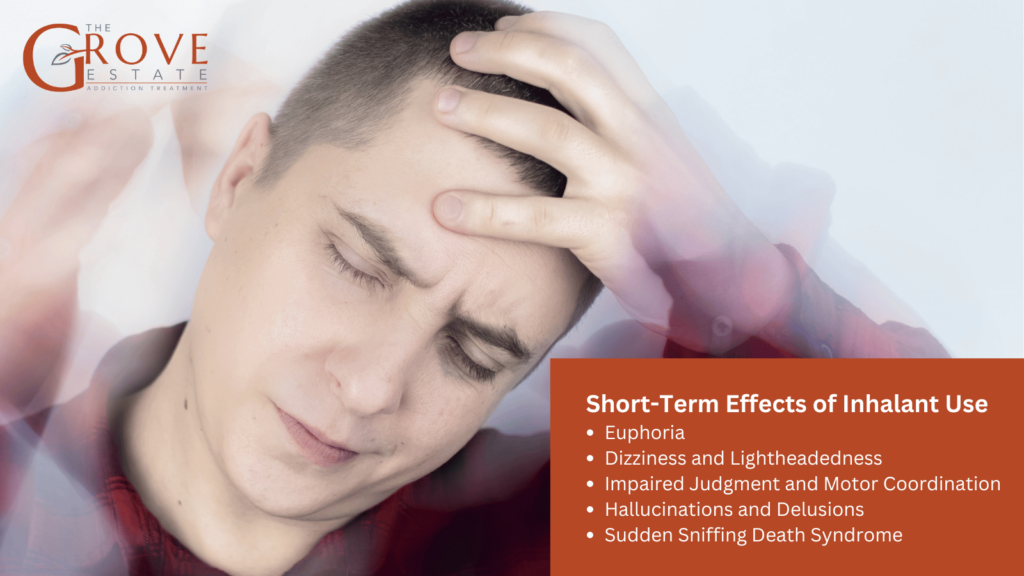
What are the Short-term Effects of Inhalant Use?
The short-term effects of inhalant use include intense euphoric sensations, severe disorientation, lack of physical coordination, and distorted sensory experiences, similar to alcohol intoxication but potentially more dangerous. These substances trigger immediate changes in mental state, bodily functions, and awareness levels, putting users at serious risk.
Here are the common short-term effects of inhalant use:
- Euphoria: Euphoria is a heightened sense of well-being and happiness experienced by users, similar to the effects of alcohol intoxication, leading to risky behaviors.
- Dizziness and Lightheadedness: Dizziness and lightheadedness are sensations that result from inhalant use, causing users to feel off-balance and impairing their ability to maintain physical stability.
- Impaired Judgment and Motor Coordination: Impaired judgment and motor coordination refer to the diminished capacity of individuals to make sound decisions and control their movements, increasing the risk of accidents.
- Hallucinations and Delusions: Hallucinations and delusions are experiences where some users perceive visual and auditory stimuli that are not present, leading to distorted perceptions of reality and potential danger to themselves and others.
- Sudden Sniffing Death Syndrome: Sudden Sniffing Death Syndrome is a severe and potentially fatal risk associated with inhalant use, occurring even on the first use and characterized by rapid and erratic heartbeats that lead to cardiac arrest.
What are the Health Risks of Long-Term Inhalant Use?
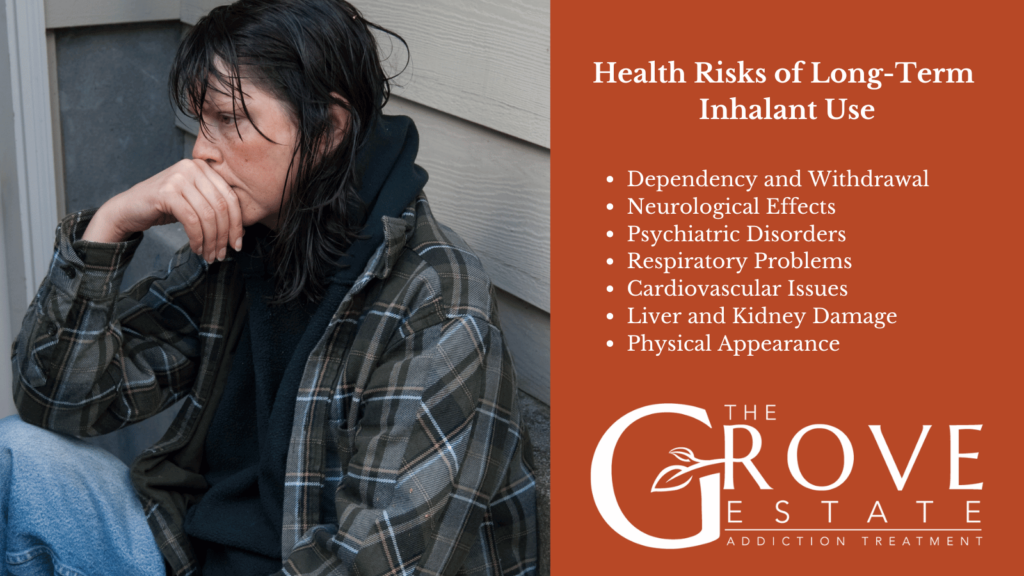
The health risks of long-term inhalant use include severe neurological impairment, cardiovascular complications, and deteriorating mental health conditions. Chronic exposure to these substances results in devastating effects like cognitive decline, organ dysfunction, and life-threatening respiratory issues. Beyond the immediate physical impact, prolonged use often leads to noticeable changes in behavior, appearance, and overall well-being.
Here are the key health risks of long-term inhalant use:
- Dependency and Withdrawal: Prolonged inhalant use leads to dependency, characterized by withdrawal symptoms such as headaches, muscle cramps, agitation, and severe mood swings when usage ceases.
- Neurological Effects: Chronic inhalation severely damages the brain and nervous system, resulting in memory loss, reduced cognitive function, impaired coordination, and tremors. Permanent brain damage is possible, which causes lasting cognitive impairments and an increased risk of neurological disorders. According to Woodward, J. J.’s 2023 study, ‘The effects of the inhalant toluene on cognitive function and behavioral flexibility: A review of recent findings.’, inhalant use has significant neurological effects, including the alteration of multiple ion channels in the brain, inhibition of N-methyl-D-aspartate receptors (NMDAR), enhancement of GABA(A) and glycine receptors, and inhibition of nicotinic acetylcholine receptors and L-type neuronal calcium channels, with only about 3% of inhaled toluene reaching the brain. Additionally, the behavioral and cognitive impacts include euphoria and disinhibition lasting 15-60 minutes, impaired function of the prefrontal cortex affecting decision-making, reduced behavioral flexibility, and potential cognitive dysfunction. Inhalant use is also associated with an increased risk of mood, personality, and anxiety disorders.
- Psychiatric Disorders: Long-term inhalant use also leads to or worsens psychiatric disorders, including anxiety, depression, and psychotic episodes, which persist even after stopping the use of inhalants.
- Respiratory Problems: Inhalants cause significant harm to the respiratory system, leading to respiratory distress, diminished lung capacity, and higher risks of bronchitis or pneumonia. In severe cases, respiratory failure occurs, which be fatal.
According to Büker, H. S.’s 2011 study,’ Effects of volatile substance abuse on the respiratory system in adolescents.’, the most common respiratory symptoms reported among inhalant users included nasal congestion (45.2%), sputum production (38.7%), exercise intolerance (32.3%), and cough (22.6%). Additionally, 41.4% of subjects exhibited low forced vital capacity (FVC) values, indicating a restrictive ventilatory pattern. The mean age of onset for inhalant use was 14.6 years, with an average duration of use of 3.7 years. Those with restrictive patterns in pulmonary function tests were more likely to show abnormal findings on high-resolution CT scans (p < 0.01). - Cardiovascular Issues: The misuse of inhalants stresses the cardiovascular system, manifesting as irregular heartbeats and palpitations.
- Liver and Kidney Damage: Inhalants contain toxic chemicals that damage the liver and kidneys, impeding their ability to process toxins and potentially leading to organ failure.
- Physical Appearance: Chronic users often show noticeable changes in physical appearance, such as weight loss, skin conditions, and an overall appearance of poor health.
According to Crossin, R.’s 2017 study, ‘Adolescent inhalant abuse leads to other drug use and impaired growth; implications for diagnosis.’, individuals who engage in petrol sniffing are, on average, 5 cm shorter than non-sniffing controls, with this height difference being statistically significant (p<0.000).
The petrol sniffing group falls at the 19th±2nd percentile for height-for-age, compared to the 39th±5th percentile for controls. Additionally, petrol-sniffing individuals are, on average, 7 kg lighter than controls, with a significant weight difference (p=0.001), and 49% of the petrol-sniffing group falls below the 3rd percentile for weight, meeting the criteria for failure to thrive, compared to 25% in the control group. Furthermore, a longer duration of petrol sniffing correlates linearly with reduced height percentile (p=0.024), and among those meeting failure to thrive criteria, 83% are petrol sniffing individuals.
What Are The Treatment Options for Inhalant Addiction?
The treatment options for inhalant addiction include comprehensive medical supervision during withdrawal, structured rehabilitation programming, evidence-based behavioral interventions, community-based recovery support, and integrated mental health care for co-occurring conditions.
Here are the key treatment options for inhalant addiction below:
Contact us today to schedule an initial assessment or to learn more about our services. Whether you are seeking intensive outpatient care or simply need guidance on your mental health journey, we are here to help.
Medical Detox
Medical Detoxification is the first step in recovery where individuals undergo a medically supervised withdrawal from inhalants. This phase helps to safely manage the acute physical symptoms and potentially life-threatening complications of withdrawal. Under close medical monitoring, detoxification minimizes risks such as severe neurological or cardiovascular effects that arise from suddenly stopping inhalant use.
According to Muralidharan, K.’s 2008 study, ‘Baclofen in the management of inhalant withdrawal: a case series.’, while benzodiazepines have been traditionally recommended for inhalant addiction, they lack strong evidence for safety and efficacy and pose a risk of dependence. In contrast, baclofen, at doses up to 50 mg/day, has shown promise in case studies by quickly reducing withdrawal symptoms within 48 hours and demonstrating good patient tolerance. However, more research is needed, as current medical detox treatment recommendations rely primarily on limited evidence and case studies rather than comprehensive clinical trials.
Rehabilitation Programs
Rehabilitation programs play a crucial role in helping individuals overcome inhalant addiction through both inpatient and outpatient treatment settings. Inpatient rehab offers 24/7 support and a structured environment, which benefits those with severe inhalant addiction by removing them from high-risk environments and allowing for focused recovery.
In contrast, outpatient rehab provides treatment sessions while patients maintain their daily routines, offering flexibility for individuals with less severe addiction or strong support systems at home. Both settings incorporate education, therapy, and lifestyle planning, enabling individuals to rebuild healthier routines and reduce the chance of relapse.
Behavioral Therapies
Behavioral therapies such as Cognitive Behavioral Therapy (CBT), motivational interviewing, and family therapy are crucial in treating inhalant addiction. These therapies help patients:
- Identify and change harmful thought patterns and behaviors linked to inhalant use.
- Develop healthier coping strategies to deal with triggers and stress.
- Improve decision-making and problem-solving skills, reducing the likelihood of relapse.
These interventions empower individuals to address underlying issues that contribute to their addiction and support long-term recovery.
Are you covered for treatment?
The Grove Estate is an approved provider for Blue Cross Blue Shield and Cigna, while also accepting many other major insurance carriers.
Check Coverage Now!Support Groups
Support groups, such as Narcotics Anonymous or specialized inhalant recovery groups, offer peer support and a safe space for individuals to share their experiences, which helps reduce feelings of isolation, provides practical advice from those who have successfully managed addiction, and encourages accountability and ongoing commitment to sobriety; the shared experiences and mutual encouragement within these communities serve as powerful motivators during the recovery process.
Dual Diagnosis Treatment
Dual Diagnosis Treatment addresses both inhalant addiction and co-occurring mental health disorders, such as depression or anxiety, simultaneously, ensuring that both conditions are managed concurrently. This integrated approach improves overall treatment outcomes by reducing the risk of relapse associated with untreated mental health issues and provides a holistic recovery strategy tailored to the complex needs of the individual.
What are Whippits?
Whippits are small metal cartridges containing nitrous oxide that are designed for use in whipped cream dispensers. While intended for culinary purposes, these cartridges are frequently misused as inhalants to experience short-term euphoric effects and light-headedness.
Rediscover Life at The Grove Estate
Get the compassionate mental health support you deserve. We're here to help you reclaim joy, wellness, and a brighter future.
Our FacilityAre There Any Legal Consequences For Abusing Inhalants?
Yes, there are legal consequences for abusing inhalants. Although these substances are legal when used as intended (like household cleaning or medical purposes), abusing inhalants results in serious legal penalties. You face criminal charges for possessing inhalants with intent to abuse them, and you be charged with DUI or public intoxication if caught operating vehicles or being intoxicated in public while under the influence.
Can Inhalant Abuse Be Detected In A Drug Test?
No, inhalant abuse is not typically detected in standard drug tests because the volatile substances evaporate quickly from the body. However, some specialized testing techniques detect traces of these substances or their byproducts in blood or urine shortly after use.
What Should I Do If Someone Is Intoxicated By Inhalants?
If someone is intoxicated by inhalants—exhibiting symptoms such as dizziness, confusion, or agitation—it’s important to ensure their safety by preventing them from operating vehicles or machinery and to seek medical attention immediately. Inhalant intoxication rapidly leads to severe health issues, including respiratory distress and cardiac effects.
Did you know most health insurance plans cover substance use disorder treatment? Check your coverage online now.
How Does Inhalant Addiction Affect Mental Health?
Inhalant addiction severely affects mental health by causing mood disorders, anxiety, and in severe cases, hallucinations or delusional behavior. The toxic chemicals in inhalants alter brain chemistry and cause permanent damage to the central nervous system. Addressing these mental health issues is critical in the treatment process. Therapeutic approaches like group counseling offer peer support and professional guidance, which help mitigate the psychological effects of inhalant abuse and aid in the recovery of mental wellness.
Are There Specific Risks Associated With Different Types Of Inhalants?
Yes, specific risks are associated with different types of inhalants, varying by their chemical composition. Solvents and aerosols, commonly abused for their rapid psychoactive effects, cause sudden sniffing death syndrome due to heart failure. Gases, including medical anesthetics like nitrous oxide, cause severe neurological damage, while nitrites, often used as sexual enhancers, primarily impact the cardiovascular and immune systems.
For those struggling with substance abuse, including less common dependencies such as Zetran addiction, it’s crucial to understand the specific health risks associated with each type of inhalant. Knowledge about these risks informs treatment choices and recovery strategies.
Share This Post

The Grove Editorial Team
All author posts
ADDICTION TREATMENTS IN INDIANA
Are you covered for treatment?







The Grove Estate is an approved provider for Blue Shield of California and Cigna, while also accepting many other major insurance carriers.
Check Coverage Now!