

Drug & Alcohol Rehab Centers Near Fort Wayne
The Grove Estate provides inpatient drug and alcohol treatment for Fort Wayne residents at a 25-acre private estate in Peru, Miami County. It is one of the rehab centers serving Fort Wayne that holds ASAM Level 3.5 designation, with registered nurses on campus every night of every stay.
The Grove Estate accepts most commercial insurance plans. A full benefits investigation is completed during the first call at no cost.
"*" indicates required fields




Drug Rehab Near Fort Wayne on a Staffed Residential Campus
The Grove Estate holds an ASAM Level 3.5 residential designation, which the American Society of Addiction Medicine defines as clinically managed care with staff on site 24 hours a day. Coming off the substance, the therapy and the psychiatric care all happen on our campus in Peru. One phone call opens admission and most clients arrive inside 24 hours.
Why Does a Fort Wayne Family Choose The Grove Estate for Inpatient Rehab?
A Fort Wayne family chooses The Grove Estate because withdrawal management happens in the same building as the therapy that follows it, 63 miles west. Allen County reported 57 overdose deaths in 2024, and a registered nurse is on the campus for every hour of a stay.
Detox, residential rehab and dual diagnosis all sit under one ASAM Level 3.5 designation, and registered nurse cover holds across each night of a stay for a Fort Wayne client.
Call 765-204-1188Inpatient Rehab 63 Miles from Fort Wayne
The Grove Estate runs as a residential inpatient rehab on a campus in Peru, 63 miles south-west on US-24. The campus is near enough for a Fort Wayne family to visit, and far enough that a client passes nothing familiar on the way to a group.
4.8 Stars on Google
The Grove Estate holds a 4.8-star rating on Google, written by alumni and by the families who went through the program with them.
24-Hour Nursing and Admissions
Registered nurses staff the campus around the clock, so withdrawal is watched on the same site where the rest of treatment happens. The Grove Estate answers its admissions line live at any hour.
ASAM Level 3.5 Designated
Level 3.5 is the clinically managed high-intensity residential level in the American Society of Addiction Medicine criteria, written for adults whose need runs past what an appointment can hold. The Indiana Division of Mental Health and Addiction lists The Grove Estate at that level under reference number 2145-010, which ties intensity of care to an assessment rather than to bed availability.
Which Insurance Plans Pay for a Residential Stay at The Grove Estate?
A commercial policy pays for a residential stay at The Grove Estate, and a Fort Wayne caller pays nothing for the benefits check. Cigna, Anthem, Blue Cross Blue Shield, UnitedHealthcare, MultiPlan and VA Optum are verified inside that same call. Medicaid and Medicare cannot fund a stay.
A commercial PPO carries the out-of-network benefit that residential care is billed against, and the plan document names the level of care it will fund. A Fort Wayne family knows the expected cost before anyone drives.
Start online at the insurance verification page, or call 765-204-1188 to reach our admissions team.
Plans verified during the admissions call








Medicaid and Medicare are not accepted. Do not see your provider? Call 765-204-1188 — the admissions team verifies all commercial plans.
How Is The Grove Estate Different From Fort Wayne Rehab Centers?
The Grove Estate is different from Fort Wayne rehab centers because its Medical Director leads weekly clinical rounds for every client, supported by a 12:1 client-to-staff ratio throughout ASAM Level 3.5 residential care.
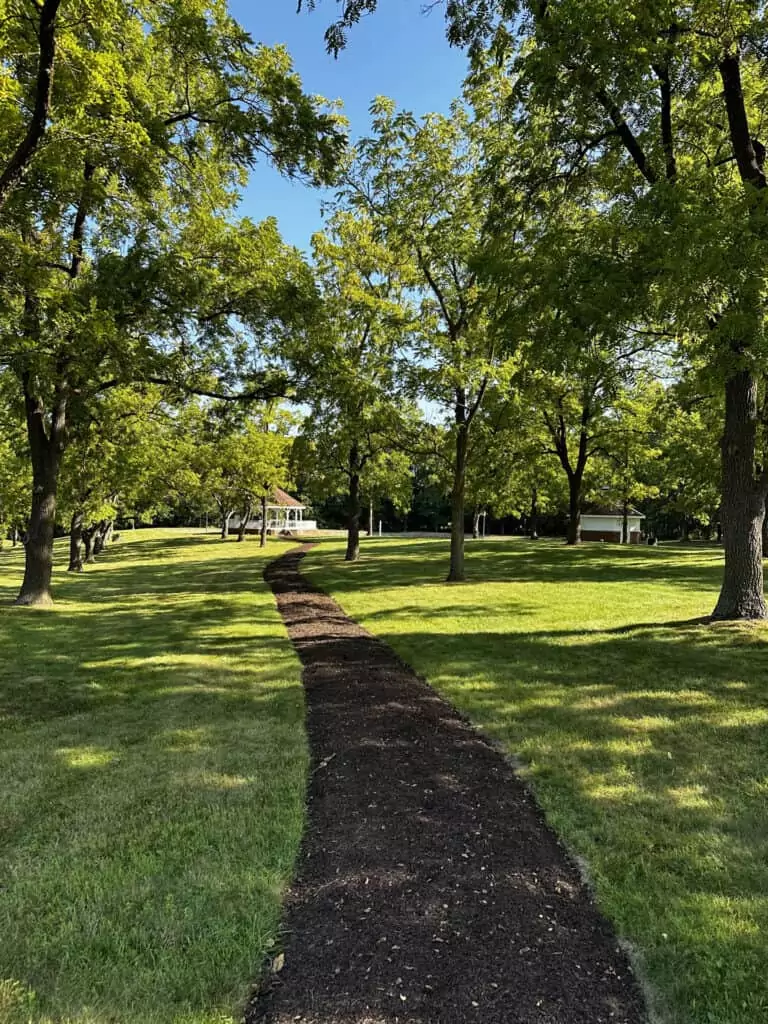
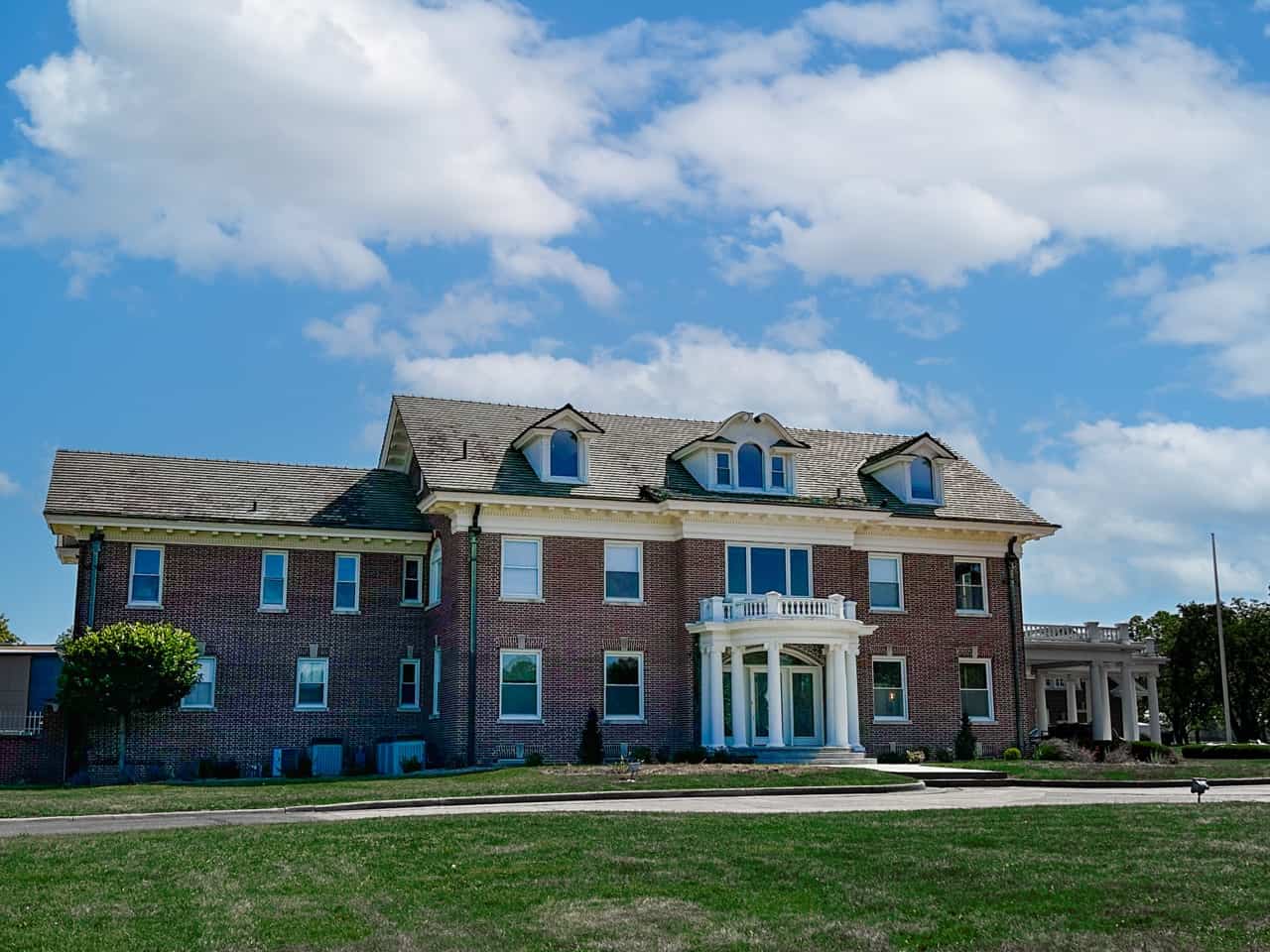
Allen County adults arrive at 3413 S Wallick Road and finish the stay there, on an estate whose oldest building dates to 1889.
Licensed beds
residential
Start Addiction Treatment for Fort Wayne Adults in One Call
Adults searching for a Fort Wayne recovery center, or for rehabs in Fort Wayne, Indiana, reach a person at The Grove Estate on the first call, and that call covers a confidential clinical assessment and a check on the insurance benefit.
Inside the Estate Where Clients Live for the Whole Stay
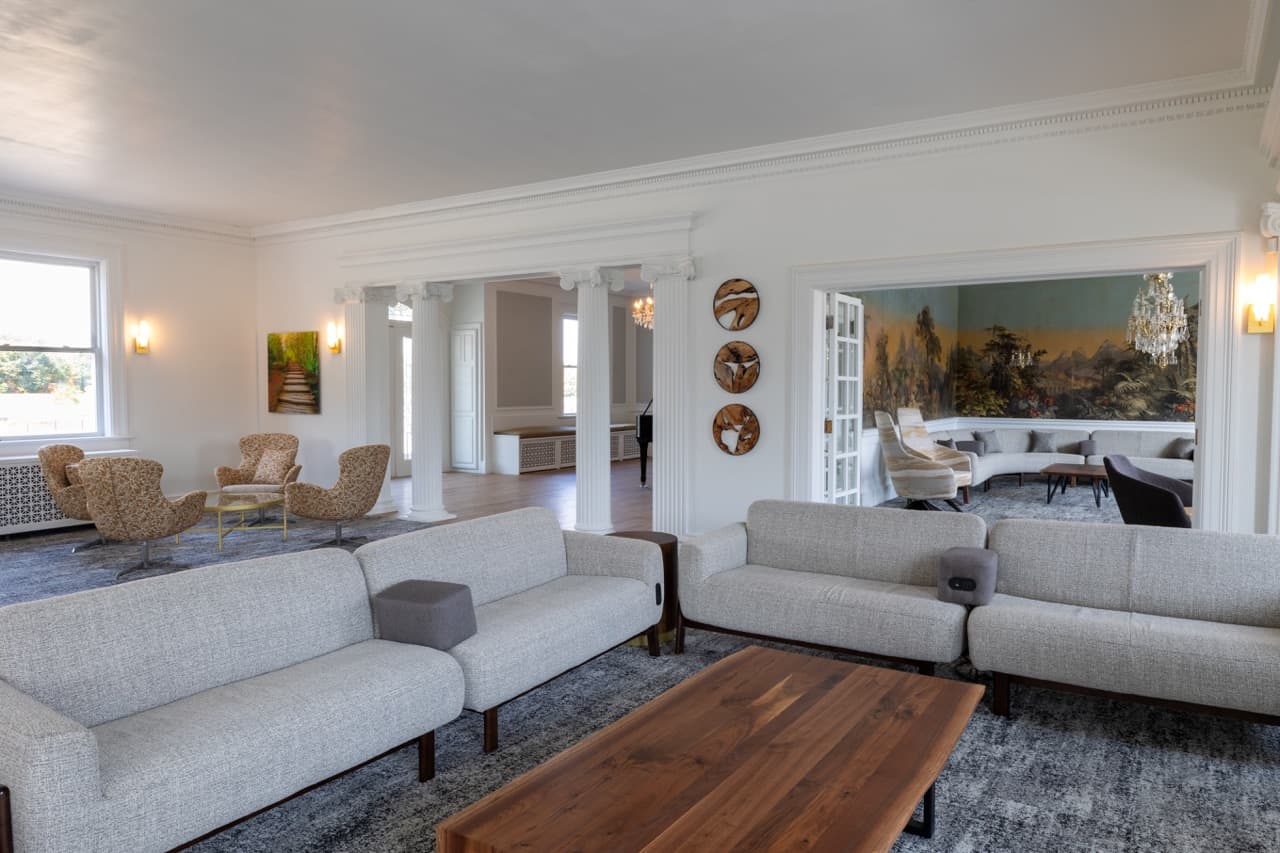
The 1889 Walnut Grove Mansion sits at the center of 25 acres in Peru, Indiana, and clients arriving from Fort Wayne moves into one of the gender-specific townhomes on the grounds. The video below walks those grounds and the rooms inside our private drug rehab.




How the Programs Fit Together
Upon arrival, we will transition you into your designated program. You can expect seamless care, as our consistent clinical team manages every program we offer
Medical Drug & Alcohol Detox
The Grove Estate manages withdrawal inside the residential program under physician-directed medication, with registered nurses recording vital signs through the night. Alcohol, fentanyl and benzodiazepine withdrawal each carry a clinical risk that makes stopping alone the more dangerous option.
Residential Rehabilitation
Individual counseling follows a brief, problem-specific CBT and DBT model, and daily group work addresses the emotional and behavioral drivers underneath chemical dependency. The Grove Estate runs both for a Fort Wayne client from the first full day.
Residential Rehab program detailsRehab for Professionals
The professionals track serves adults whose license, clearance or public role turns treatment into an exposure risk. Fort Wayne executives, attorneys and healthcare workers follow the same clinical schedule as every client, alongside peers facing the same calculation.
Professional rehab program detailsDual Diagnosis Treatment
The dual diagnosis track puts a psychiatric condition and a substance use disorder on one timetable. A psychiatric provider evaluates every client at admission and holds weekly rounds, and the therapy hours in between run CBT, DBT and trauma-focused work.
Dual diagnosis program detailsFamily Integration
Family education and counseling run every week of the stay and cover communication, boundary-setting and stress management. The program is built for the people who will live with the client after discharge.
Family program detailsWellness & Holistic Therapy
A recreational therapist at The Grove Estate delivers therapeutic intervention through expressive modalities, and physical wellness sessions sit in the daily timetable.
Wellness program detailsBegin Recovery on the Peru Campus of The Grove Estate
Fort Wayne adults who call The Grove Estate arrive inside 24 hours, and they arrive in Peru, Miami County rather than at a hospital ward, with eligibility set at 18 and above.
What Happens After the First Call to The Grove Estate?
After the first call, the Fort Wayne caller continues through the remaining four steps of the five‑step admission sequence. This process is structured to be completed within a single day, ensuring the caller connects directly with a person rather than waiting in a queue, and the final decision is reached at whatever hour it is made.
Call 765-204-1188Call or Contact Admissions
The call to 765-204-1188 is taken by the admissions team at any hour, including overnight. The conversation is HIPAA-protected from the first sentence, and any disclosure outside the clinical team requires the client’s written authorization.
15 to 30 minutesClinical Assessment & Insurance Verification
A licensed clinician runs the assessment against ASAM Level 3.5 criteria while the benefits check runs beside it. Most commercial plans return an answer inside 60 minutes.
60 minutesTravel From Fort Wayne to Peru
The drive leaves Fort Wayne on US-24 West and ends in Peru, Miami County, 63 miles and about an hour and twenty-two minutes away. It is a single cross-country run with no city center at either end.
About 1 hour 22 minutesMedical and Psychiatric Evaluation
A medical provider carries out the physical examination and goes through every current prescription on arrival. A psychiatric provider completes a full mental health evaluation, and the treatment plan is signed off by the clinical team at The Grove Estate before the first night.
3 to 4 hours on admission day24-Hour Structured Treatment
The daily timetable runs individual counseling, group sessions, seminars on addiction and denial, and wellness work, from waking to lights-out. Nursing cover does not stop when the timetable does.
Daily throughout residential stay
Which Clinical Roles Treat Every Client at The Grove Estate?
Care is delivered by role, not by a single name. A medical provider and a psychiatric provider work with licensed clinicians, registered nurses, mental health workers, and a recreational therapist. The bios below belong to the leadership team at The Grove Estate, and every Fort Wayne client is assigned to the team on admission day.

Dr. Steven Schneider
Dr. Steven Schneider is a board-certified psychiatrist and Diplomate and Fellow of the ABPN. He conducts comprehensive psychiatric evaluations at admission and leads weekly clinical rounds. Dr. Schneider oversees medication management and dual diagnosis treatment throughout each client's residential stay at The Grove Estate.

Lori Hawk
Lori Hawk has been with The Grove Estate since day one and holds a dual-leadership role overseeing the organization's quality management while directing all human resources activities, ensuring both clinical standards and staffing meet regulatory requirements.

Ryan Cowles
Ryan Cowles leads The Grove Estate registered nursing team in delivering 24-hour continuous medical oversight. He manages physician-prescribed detox protocols and monitors medical conditions throughout each residential stay. His team provides the clinical safety that distinguishes residential treatment from outpatient care.
How Alumni and Families Rate The Grove Estate

I could not of asked for a better place to seek help ,this was my first time at a facility I feel so lucky I found the grove or should I say they found me I never have ever sought…

The entire experience at The Grove Estate was absolutely incredible. From start to finish, we were treated with such love, care, and professionalism. The staff was amazing and went above and beyond to make sure every detail of our event…

I had the opportunity to meet with Ken today during a visit to our campus in Ohio, and I was truly impressed by both him and The Grove Estate team. Ken took the time to walk me through their program…

I've had the pleasure of touring Grove Estate and have referred several clients there over the years. I own a few facilities myself and I have been doing this a long time. The clinical team is genuinely impressive — knowledgeable,…

They know me very well. I was one of their first clients. I love all staff and the place. I’m 53 and I’m not a shame to say I’ve been to many rehabs. This is the best one hands down.…

Wonderful place to heal. Forever changed my perspective on life. Gave me a chance to restart on a path that I was destined for. Met great people that I will call friends for the rest of my days and staff…
Overdose Deaths in Allen County Fell 57% in Two Years
Allen County, which contains Fort Wayne, recorded 57 overdose deaths in 2024 at an age-adjusted rate of 14.7 per 100,000, or 0.6 times Indiana's statewide rate of 24.1, according to the Indiana Department of Health. The same county counted 132 deaths two years earlier, so the drop is 57% against a statewide drop of 37%. How many adults need residential treatment this year is a separate question, and no report collects it.
Overdose deaths recorded in Allen County during 2024. The statewide count that year was 1,618.
Source: Indiana Department of Health, Indiana Overdose and Suicide Report, 2024
Drop in Allen County overdose deaths across two years, from 132 to 57. Indiana as a whole fell 37% over the same period.
Source: Indiana Department of Health, 2022 and 2024
The 2021 peak for Allen County, the highest annual overdose death count in the five years IDOH reports. The 2024 total of 57 is 61% below it.
Source: Indiana Department of Health, 2021 and 2024
Conditions Treated Inside the Residential Level of Care
Alcohol, opioid, stimulant and benzodiazepine dependence each carries a different clinical risk, and The Grove Estate treats all four in adults alongside the psychiatric conditions that accompany them, for arrivals from Fort Wayne and every other Indiana county. Intake decides which of them shapes the first week.
Alcohol leads the substances in Indiana treatment admissions, and its withdrawal is the one most likely to turn into a medical emergency. Adults who want alcohol rehab in Fort Wayne with someone watching overnight are describing a residential level of care.
Opioid dependence covers fentanyl, heroin, hydrocodone, codeine and prescription opioids. Fentanyl changes the arithmetic, because onset arrives faster and symptoms peak harder than the drugs it replaced.
Methamphetamine and cocaine dependence presents as a psychiatric problem more than a physical one. Depression, anhedonia and broken sleep dominate the early weeks, which is why psychiatric evaluation leads the stimulant track.
Dependence on Xanax, Valium or Klonopin builds a tolerance that makes abrupt cessation dangerous, because benzodiazepine withdrawal can produce seizures. The taper is directed by a physician and runs across the whole stay.
Dual diagnosis means two diagnoses running at once, a substance use disorder and a psychiatric condition, whether that is depression, anxiety, PTSD or bipolar disorder. Neither waits politely for the other to be resolved, which is what makes a sequence of two separate episodes fail.
Sustained occupational stress paired with a working identity that cannot admit a problem is a recognizable pattern, not a personal failing. Fort Wayne professionals who have told nobody are the population The Grove Estate built that track for.
Frequently Asked Questions
A question that is not here can go to the admissions team at 765-204-1188, live, at any hour.
Can a Fort Wayne family force someone into rehab?
A Fort Wayne family starts the process and the adult concerned is the one who consents to it, because every admission at The Grove Estate is voluntary. A relative makes the first call, asks the clinical questions on an adult’s behalf and has the benefits checked, so the conversation with the person who needs treatment opens from answers instead of guesses.
Can a Fort Wayne family visit someone in rehab?
A Fort Wayne family visits at the weekly family session, held either on the campus or by video. The slot sits inside the clinical timetable, so it holds through a busy week at work, and it covers the part of treatment the family is in.
How do you get insurance to pay for inpatient rehab near Fort Wayne?
A commercial plan pays after a licensed clinician has documented medical necessity, which means a withdrawal risk that needs nursing cover, a psychiatric condition running alongside the substance use, or a home setting that will not hold a recovery. The Grove Estate files that documentation, handles whatever the plan requires in advance, and bills the stay out-of-network.
How do you pay for rehab without commercial insurance?
A caller without commercial insurance pays for rehab through a route this campus cannot bill, so admissions names Indiana providers that take Medicaid and Medicare. Three things are fixed here: the assessment costs nothing, the benefits investigation costs nothing, and the expected out-of-pocket figure goes to the client in writing. The total moves with the plan and the length of stay a clinician authorizes, so no honest figure exists to publish.
Can you get fired for going to rehab?
An employee who takes protected leave to enter rehab keeps their job, because federal FMLA covers eligible employees who take leave for treatment. FMLA is a federal statute rather than an Indiana program, so the protection does not change between counties. What the campus controls is disclosure, and an employer learns nothing from The Grove Estate without the client’s written authorization.
Why does leaving Allen County matter if the therapy is the same?
Leaving Allen County matters because the therapy is only part of the treatment, and a residential stay changes three things a timetable cannot reach. Who is awake at three in the morning, what stands between the client and a supply, and whether the evening is supervised at all. For an adult who finished local treatment and went back to the same rooms, that is the variable still untested.
What does a 1 to 4 staffing ratio mean during withdrawal management?
A 1 to 4 staffing ratio means one staff member for every four clients through the phase when vital signs move fastest, which is what makes observation continuous instead of periodic. The ratio widens to one to twelve once a client is stable and the work turns to counseling and group sessions. A published ratio is also a number a family can hold a program to.
Free Crisis and Addiction Support
The four resources beneath this line cost nothing, stay confidential and run 24 hours a day. Not one of them is a Grove Estate service. Three are national, and Fort Wayne has its own Narcotics Anonymous meeting list. Admissions answers separately on 765-204-1188.
SAMHSA National Helpline
SAMHSA operates a free, confidential treatment referral service available 24 hours a day. Call 1-800-662-4357.
988 Suicide & Crisis Lifeline
Dialing or texting 988 connects callers to immediate mental health and crisis support around the clock.
Narcotics Anonymous in Fort Wayne
Find an NA meeting in Fort Wayne. Narcotics Anonymous is a free peer fellowship and is not operated by The Grove Estate. Dialing 211 reaches Indiana 211 for addiction, housing and food assistance by ZIP code.
Alcoholics Anonymous and the Good Samaritan Law
Find an AA meeting through the official Alcoholics Anonymous directory. Call 911 immediately in the event of an overdose, because Indiana’s Good Samaritan law provides limited immunity from prosecution when a person calls 911 to report one.
Directions From Fort Wayne to The Grove Estate
The Grove Estate is at 3413 S Wallick Road, Peru, Indiana 46970, in Miami County. From Fort Wayne the drive is 63 miles and about 1 hour 22 minutes, heading south-west.
US-24 West toward Peru, then local roads to S Wallick Road.
Approximately 63 miles, about 1 hour 22 minutes in normal traffic conditions.
A Fort Wayne client is welcomed by the admissions team, and a medical examination happens that same day.
Driving route from Fort Wayne, IN to The Grove Estate
3413 S Wallick Road, Peru, IN 46970 · 765-204-1188
A Recovery Center Serving Fort Wayne and All of Indiana
The Grove Estate admits adults from every one of Indiana’s 92 counties, including the northeastern Indiana communities of New Haven, Huntertown, Leo-Cedarville, Grabill, Woodburn, Monroeville, Harlan, Hoagland, Yoder, Poe and Zanesville. Select your city to find location-specific information about residential addiction treatment at the Peru, Indiana campus.