

Drug & Alcohol Rehab Centers Near Indiana
The Grove Estate provides physician-supervised drug and alcohol treatment for Indiana residents at a private campus in Peru, Miami County. It is among the residential rehab centers in Indiana licensed at ASAM Level 3.5, with all private rooms and registered nurses on site at every hour.
The Grove Estate accepts most commercial insurance plans. A full benefits investigation is completed during the first call at no cost.
"*" indicates required fields




Drug & Alcohol Rehab Centers in Indiana on One Residential Campus
The Grove Estate places Indiana adults on a private campus in Peru that carries one licensed level of care. Medical detox, residential rehab and dual diagnosis work all sit inside that level, so nobody is referred onward mid-stay. One phone call opens admission.
Why Do Indiana Families Choose The Grove Estate for Addiction Treatment?
Indiana families choose The Grove Estate because withdrawal, therapy and dual diagnosis care all happen at one address in Peru, Miami County, staffed one-to-four during withdrawal management and covered by 24-hour registered nurse monitoring. Every Indiana client is admitted to that same campus, whatever city the call comes from.
Indiana recorded 1,618 overdose deaths in 2024 across all 92 counties, and an adult from any of them is admitted to the same program. Care is trauma-informed and non-coercive, and admission rests on the adult's own consent.
Call 765-204-1188One Campus, Every Indiana County
The Grove Estate admits adults from all 92 Indiana counties to a single residential campus in Peru, Miami County. The campus provides full environmental separation from the client's home community while remaining accessible for family visits.
4.8 Stars on Google
The Grove Estate carries 4.8 stars on Google. Reviews are written once a residential stay has ended, and none is attributed to an Indiana city, because the clinical work happens on one campus rather than in local offices.
24-Hour Medical and Admissions
Registered nurses keep a 24-hour watch on every bed, and the admissions line answers at the same hours. A family at the far south of the state can call at two in the morning and speak to a person before anyone sets out for Peru.
ASAM Level 3.5 Certified
ASAM Level 3.5 is the clinically managed high-intensity residential level, written by the American Society of Addiction Medicine for adults needing round-the-clock clinical support. Indiana's Division of Mental Health and Addiction records The Grove Estate's certification at 2145-010, and it is the only level The Grove Estate is licensed to deliver.
What Does The Grove Estate's Benefits Check Tell an Indiana Family?
The Grove Estate’s benefits check tells an Indiana family what their plan pays toward residential treatment, and the check is free and takes one phone call. Anthem, Blue Cross Blue Shield, Cigna, MultiPlan, UnitedHealthcare and VA Optum are billed out of network. Medicaid and Medicare cannot fund a stay.
Wherever in Indiana a policy was issued, the check reports the deductible position, the annual out-of-pocket maximum and any pre-authorization a plan requires. That result sets the arrival date.
Start online through insurance verification, or call 765-204-1188 and the admissions team runs the check while you are on the line.
Plans verified during the admissions call








Medicaid and Medicare are not accepted. Do not see your provider? Call 765-204-1188 — the admissions team verifies all commercial plans.
How Is The Grove Estate Different From Rehab Centers in Indiana?
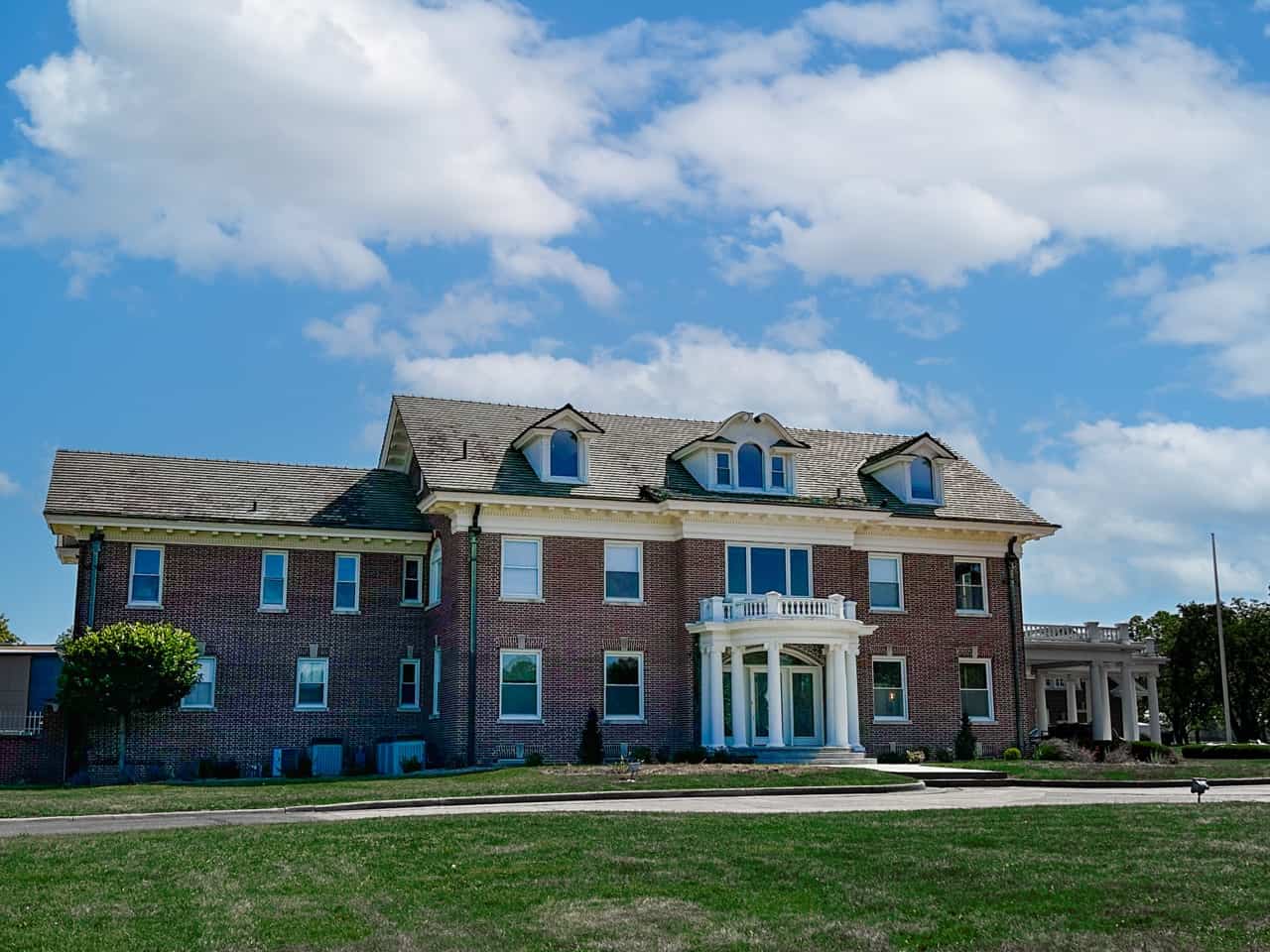
The Grove Estate is different from rehab centers in Indiana because treatment happens on a 25-acre private estate licensed exclusively for ASAM Level 3.5 residential care. Trauma-informed, non-coercive treatment continues throughout every client’s stay.
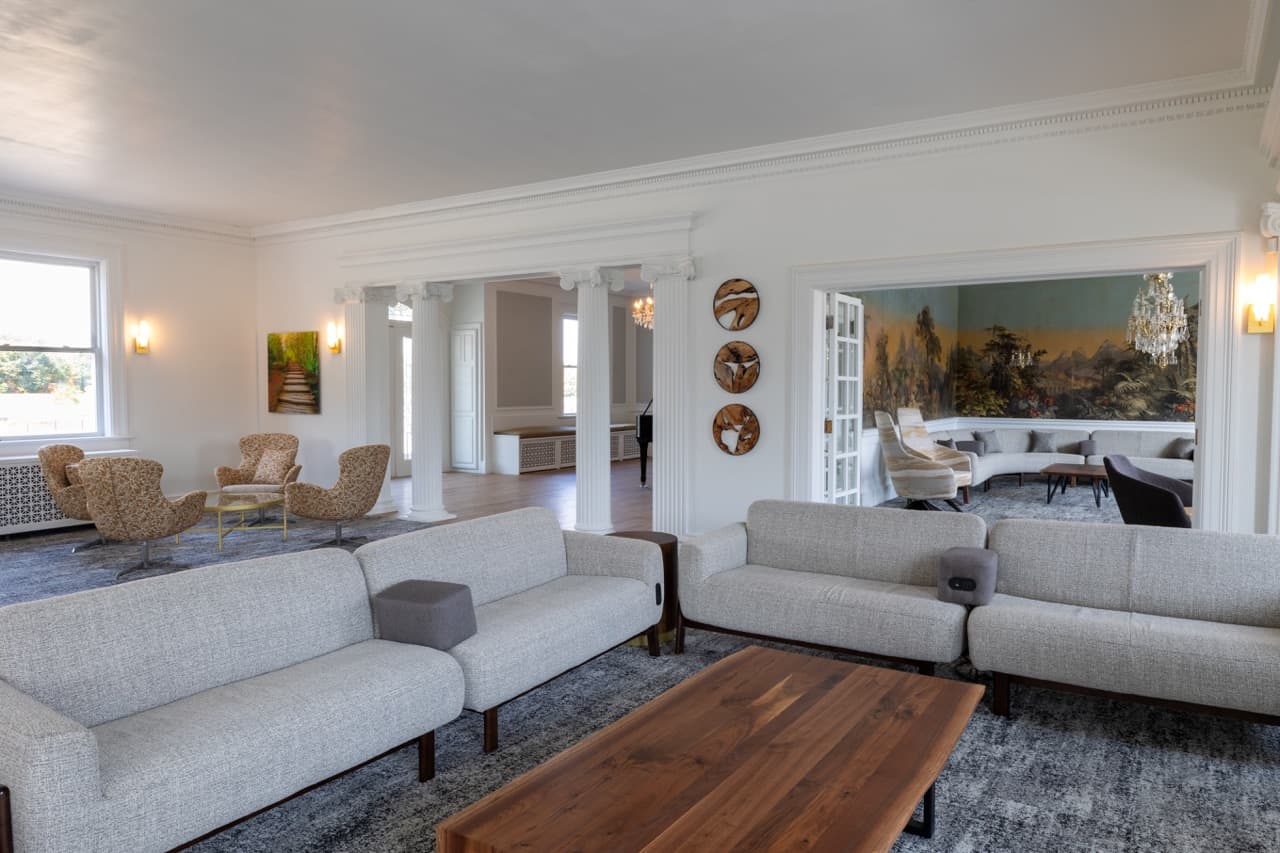
The estate carries 31 to 50 beds, a gym, a putting green and chef-prepared upscale meals, with the 1889 Walnut Grove Mansion at the center of the grounds.
Licensed beds
residential
Start Residential Treatment From Anywhere in Indiana
The Grove Estate serves Indiana residents seeking drug rehab, alcohol rehab or medical detox at one residential campus in Peru. Nothing about the first call costs anything, and our admissions line answers at every hour of the day and every day of the week.
The Single Campus Every Indiana Admission Leads To
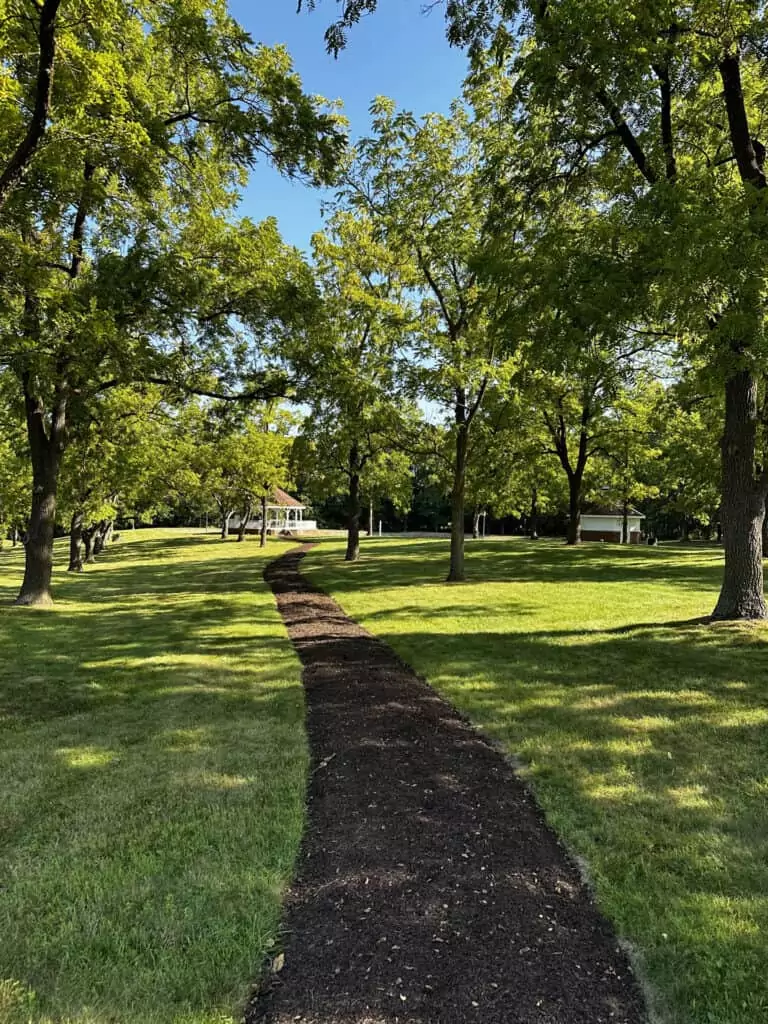
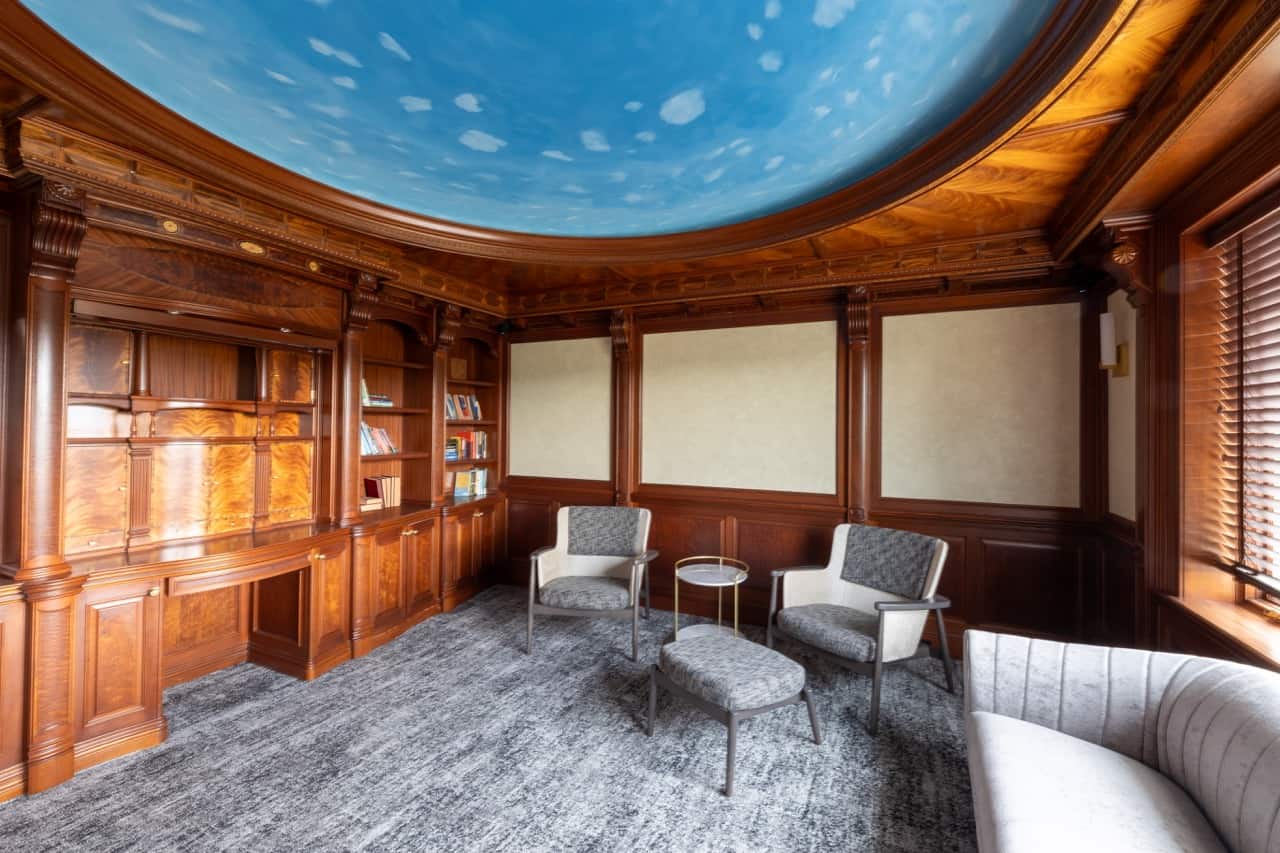
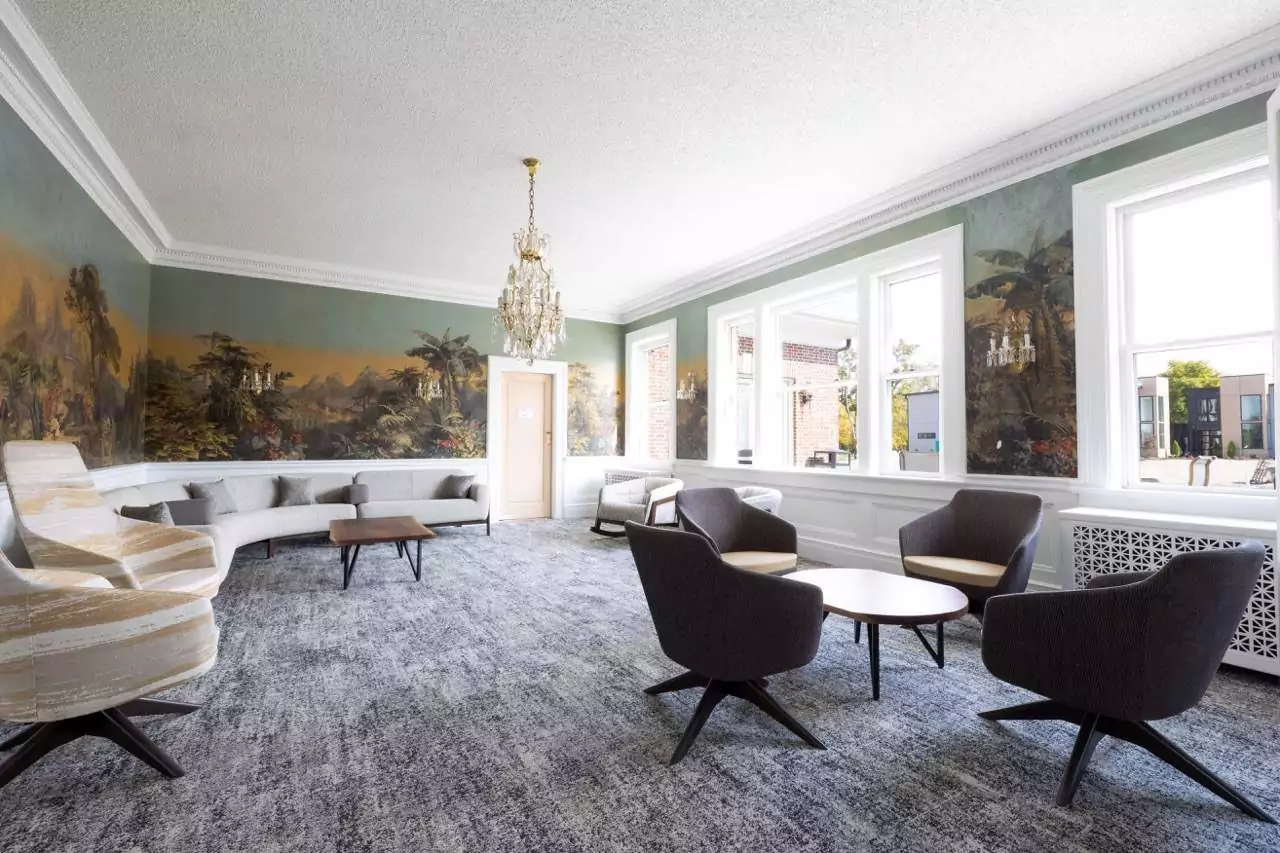
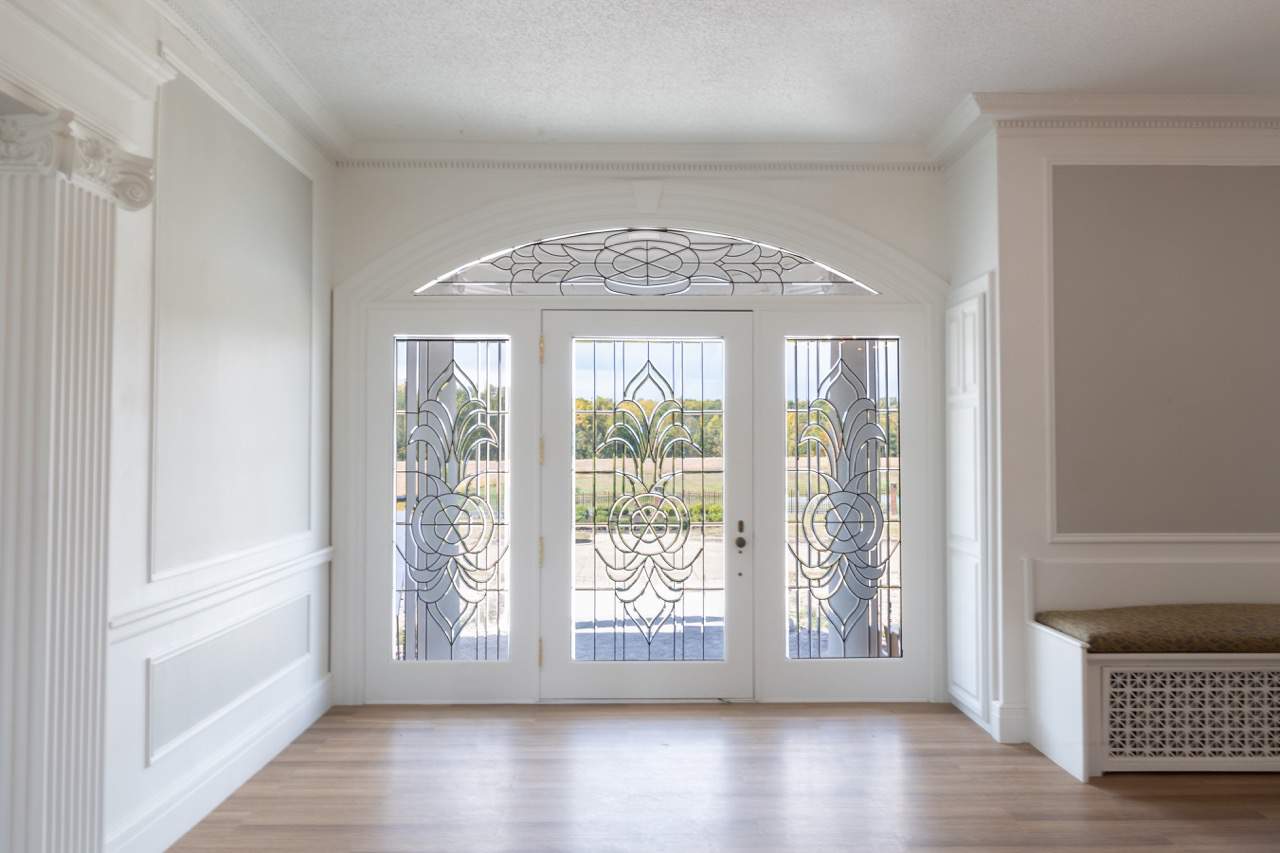
Twenty-five private acres in Peru surround the 1889 Walnut Grove Mansion, and the video below walks it as a client from any county first sees it. The Grove Estate is one of the rehab centers in Indiana licensed at this level. Every room is private, in gender-specific townhomes on the grounds.

Programs Open to Any Indiana Admission
An adult admitted from any Indiana county takes up whichever of the programs below the treatment plan sets out, on one campus in Peru.
Medical Drug & Alcohol Detox
Withdrawal management runs inside the residential stay, under physician-prescribed medication and a 4:1 nursing ratio. Fentanyl dependence, alcohol withdrawal and a benzodiazepine taper each need that cover, because coming off any of the three unsupervised carries real clinical risk.
Residential Rehabilitation
Medical, nursing and clinical cover stays in place around the clock on one campus. Licensed clinicians work one to one in brief, problem-focused CBT and DBT, and group sessions take on what sits underneath a dependency rather than only what it looks like.
Rehab for Professionals
Executives, attorneys, physicians and other licensed professionals across Indiana use a separate track. It works on the place where a career identity and a dependency hold one another up, and federal FMLA leave keeps an eligible employee's job open while the stay runs.
Dual Diagnosis Treatment
Co-occurring depression, anxiety, PTSD and bipolar disorder are treated concurrently with the substance use disorder. A psychiatric provider sees each client weekly, and licensed clinicians deliver CBT, DBT and trauma-focused therapy throughout the residential stay.
Family Integration
Family education, counseling and stress-management sessions run weekly, by video where the drive is long. Distance changes how a household attends and not whether it attends, and those sessions build the communication a discharge depends on.
Wellness & Holistic Therapy
A recreational therapist runs physical activity and expressive work inside the same daily timetable as the clinical sessions, so wellness sits in the schedule rather than at the end of it.
The Whole Stay Happens at One Indiana Address
One call reaches our admissions team from anywhere in Indiana, and it covers the clinical assessment and the insurance check together rather than booking them separately. The Grove Estate admits adults from all 92 counties to the single campus in Peru.
How Does an Indiana Resident Start Addiction Treatment at The Grove Estate?
Admission runs the same way from every Indiana county and only the length of the drive changes, from 18 miles at Kokomo to 250 at Evansville. One call opens it, and a licensed clinician assesses against ASAM criteria on that same call. The admissions team answers 24 hours a day, and most Indiana residents are admitted within 24 hours.
Call 765-204-1188Call or Contact Admissions
The admissions team answers live on 765-204-1188 at every hour, from any Indiana area code. A relative can make that call instead of the adult who needs the bed. Nothing said on it reaches an employer or anyone else without written consent from the client.
15 to 30 minutesClinical Assessment & Insurance Verification
A licensed clinician runs the ASAM Level 3.5 assessment while the benefits check runs beside it, and most commercial plans come back inside the hour. Every commercial plan is taken out of network, so the call ends with what the plan pays rather than with an estimate.
60 minutesTravel to Peru, Indiana
Travel is the only step of admission that happens away from the campus. A client leaving Kokomo is 24 minutes out and a client leaving Evansville is 3 hours 48 minutes out, and admissions fixes the arrival time against whichever applies.
24 minutes to 3 hours 48 minutesMedical Evaluation & Treatment Planning
On arrival the medical provider examines the client and goes through current prescriptions, and the psychiatric provider carries out a full evaluation. A written plan exists before the first night, and withdrawal management begins on admission day where the ASAM assessment indicates it.
3 to 4 hours on admission day24-Hour Structured Treatment
The day is built from individual counseling, group work, teaching sessions on addiction and denial, and wellness time on the grounds. The psychiatric provider reviews medication and clinical progress once a week for as long as the stay lasts.
Daily throughout residential stay
Which Clinicians Cover a Residential Stay at The Grove Estate?
Every residential stay at The Grove Estate is covered by one physician-led team on a single campus, so a client traveling from Lake County and a client traveling from Clark County meet the same clinicians. That team carries medical and psychiatric oversight at every hour.

Dr. Steven Schneider
Dr. Steven Schneider is a board-certified psychiatrist and Diplomate and Fellow of the ABPN. He conducts comprehensive psychiatric evaluations at admission and leads weekly clinical rounds. Dr. Schneider oversees medication management and dual diagnosis treatment throughout each client's residential stay at The Grove Estate.

Lori Hawk
Lori Hawk has been with The Grove Estate since day one and holds a dual-leadership role overseeing the organization's quality management while directing all human resources activities, ensuring both clinical standards and staffing meet regulatory requirements.

Ryan Cowles
Ryan Cowles leads The Grove Estate registered nursing team in delivering 24-hour continuous medical oversight. He manages physician-prescribed detox protocols and monitors medical conditions throughout each residential stay. His team provides the clinical safety that distinguishes residential treatment from outpatient care.
Verified Reviews From Adults Who Completed a Stay

I could not of asked for a better place to seek help ,this was my first time at a facility I feel so lucky I found the grove or should I say they found me I never have ever sought…

The entire experience at The Grove Estate was absolutely incredible. From start to finish, we were treated with such love, care, and professionalism. The staff was amazing and went above and beyond to make sure every detail of our event…

I had the opportunity to meet with Ken today during a visit to our campus in Ohio, and I was truly impressed by both him and The Grove Estate team. Ken took the time to walk me through their program…

I've had the pleasure of touring Grove Estate and have referred several clients there over the years. I own a few facilities myself and I have been doing this a long time. The clinical team is genuinely impressive — knowledgeable,…

They know me very well. I was one of their first clients. I love all staff and the place. I’m 53 and I’m not a shame to say I’ve been to many rehabs. This is the best one hands down.…

Wonderful place to heal. Forever changed my perspective on life. Gave me a chance to restart on a path that I was destined for. Met great people that I will call friends for the rest of my days and staff…
What Is the Scale of the Addiction Crisis in Indiana?
Indiana recorded 1,618 overdose deaths in 2024, at an age-adjusted rate of 24.1 per 100,000, according to the Indiana Department of Health. Three of the five highest stable county rates in the state fall inside our service area. Delaware County ranks second at 47.6, Floyd County third at 44.7 and Marion County fourth at 40.6, and Muncie, New Albany and Indianapolis sit inside those three counties.
Indiana residents died from unintentional or undetermined-intent overdose in 2024, at an age-adjusted rate of 24.1 per 100,000.
Source: Indiana Department of Health, Indiana Overdose and Suicide Report, 2024
Fall in Indiana overdose deaths across two years, from 2,567 in 2022 to 1,618 in 2024. The figure counts deaths only, and says nothing about how many adults are living with a substance use disorder.
Source: Indiana Department of Health, 2022 and 2024
Age-adjusted overdose rate per 100,000 in Indiana's urban counties, against 20.7 in rural counties. Sixty-four of Indiana's 92 counties are classified rural.
Source: Indiana Department of Health, Rural and Urban Drug Overdose Deaths, 2024
Conditions We Treat for Indiana Residents
Our licensed campus treats adults aged 18 and above traveling from any Indiana county, and the substances behind those admissions differ by region rather than by program. One designated level of care covers all of them, including a co-occurring psychiatric condition.
Adults across Indiana seeking alcohol rehab in a fully residential setting reach withdrawal management, stabilization and relapse prevention under continuous physician supervision at The Grove Estate, on one campus rather than across two providers.
The clinical team addresses the full spectrum of opioid dependence including fentanyl, heroin, hydrocodone, codeine and prescription opioids. Physician-directed withdrawal management runs inside 24-hour nursing care, because fentanyl produces faster onset and higher symptom intensity than other opioids.
Psychostimulants, the class that includes methamphetamine, were detected in 37.8% of Indiana overdose deaths in 2024, up from 35.4% in 2023, while synthetic opioids fell from 69.9% to 63.7%. Stimulant addiction is treated through structured programming, psychiatric evaluation and full environmental separation on the Peru campus.
Xanax, Valium and Klonopin dependence requires a physician-directed taper. Benzodiazepine withdrawal is potentially life-threatening without physician oversight. The on-site medical team manages the taper safely throughout the residential stay.
Co-occurring depression, anxiety, PTSD and bipolar disorder are treated concurrently with the substance use disorder. The psychiatric provider addresses both conditions together rather than sequentially after sobriety is established.
Indiana executives, attorneys, physicians and healthcare professionals face occupational pressures that drive and complicate addiction. The professionals track addresses the specific intersection of career identity and substance dependence on a fully confidential residential campus.
Frequently Asked Questions from Indiana Residents
Still have questions? Call 765-204-1188. The admissions team answers 24 hours a day.
Is there residential addiction treatment in Indiana?
Residential addiction treatment is available in Indiana at The Grove Estate, which delivers ASAM Level 3.5 care in Peru, Miami County. Adults aged 18 and above enter voluntarily, and an Indiana resident reaches the campus within 24 to 48 hours of a first call.
How quickly can an Indiana resident be admitted?
Most Indiana residents are admitted within 24 hours of their first call. Clinical assessment and insurance verification are both completed during that call, and most commercial plans are processed within 60 minutes.
Does The Grove Estate accept insurance from Indiana residents?
The Grove Estate accepts every commercial insurance an Indiana resident holds, billing a residential stay at the out-of-network level. A full benefits investigation is completed during the admissions call. Blue Cross Blue Shield, Anthem, Cigna and UnitedHealthcare are among the plans verified. Medicaid and Medicare are not accepted.
Will my employer be notified that I am in treatment?
An employer is told nothing about a client’s treatment unless that client signs a written release naming them. HIPAA prohibits The Grove Estate from disclosing any information about a client’s admission, treatment or discharge to an employer or any third party without written consent. Federal FMLA leave protects employment for eligible employees during residential treatment.
Why choose residential treatment over a local outpatient program?
Outpatient and IOP programs keep clients inside their own community during treatment, maintaining continuous exposure to the neighborhoods, relationships and routines associated with substance use. The Grove Estate removes that variable entirely for adults managing opioid dependence, alcohol use disorder, or multiple failed outpatient attempts.
Free Crisis Support for Indiana Residents
Four national helplines answer free of charge from any Indiana county, and The Grove Estate operates none of them. Each one keeps what a caller says confidential, at every hour of every day. Reach our admissions team on 765-204-1188 once a residential bed is the question.
SAMHSA National Helpline
SAMHSA operates a free, confidential treatment referral service available 24 hours a day. Call 1-800-662-4357.
988 Suicide & Crisis Lifeline
Dialing or texting 988 connects callers to immediate mental health and crisis support around the clock.
Narcotics Anonymous in Indiana
Find an NA meeting in Indiana. Narcotics Anonymous is a free peer fellowship and is not operated by The Grove Estate. Dialing 211 reaches Indiana 211 for addiction, housing and food assistance by ZIP code.
Alcoholics Anonymous and the Good Samaritan Law
Find an AA meeting through the official Alcoholics Anonymous directory. Call 911 immediately in the event of an overdose, because Indiana’s Good Samaritan law provides limited immunity from prosecution when a person calls 911 to report one.
Where Is The Grove Estate Located in Indiana?
The Grove Estate is located at 3413 S Wallick Road, Peru, Indiana 46970, in Miami County, 18 miles north of Kokomo. Every Indiana admission is treated on that one campus, and US-31 carries 18 of the 24 service-area routes.
18 miles from Kokomo, 70 from Indianapolis, 250 from Evansville.
Every Indiana admission opens with a welcome, and clinical assessment follows on the arrival day.
The Grove Estate · Peru, Miami County, Indiana
3413 S Wallick Road, Peru, IN 46970 · 765-204-1188
A Recovery Center Serving All of Indiana
The Grove Estate serves adults from every city in Indiana, with dedicated pages for 24 cities. Select your city for local travel information and county overdose data alongside residential treatment details for the Peru campus.