

Residential Drug & Alcohol Rehab Near Lafayette, Indiana
The Grove Estate runs inpatient drug and alcohol rehab for Lafayette, Indiana residents on a private campus in Peru, because separation from the home environment is the one variable that outpatient care leaves untested. Admission is one phone call, most clients arrive within 24 hours, and nothing reaches an employer without written consent.
The Grove Estate accepts most commercial insurance plans. A full benefits investigation is completed during the first call at no cost.
"*" indicates required fields





Drug Rehab Near Lafayette, Indiana on One Peru Campus
The Grove Estate keeps treatment for a Lafayette adult at one address in Peru, start to finish. One clinical team sees a client through the whole of it, day and night.
Why Do Lafayette Adults Choose The Grove Estate for Residential Rehab?
Lafayette adults choose The Grove Estate because admission opens on one phone call and the clinical assessment happens during it. Tippecanoe County has held its overdose count inside a narrow band since 2020, and the campus is 56 miles away, an hour up the Hoosier Heartland.
The 32 overdose deaths Tippecanoe County logged in 2024 all fall inside one program, where withdrawal management and residential rehab share a single license and a single address.
Call 765-204-1188Inpatient Rehab 56 Miles from Lafayette
The Grove Estate operates as an inpatient rehab campus in Peru, Miami County. The Hoosier Heartland Highway covers the 56 miles in about an hour, which puts the campus inside a single morning's travel without putting it inside the county.
4.8 Stars on Google
The Grove Estate holds a 4.8-star rating on Google. Alumni and relatives of alumni wrote those reviews after a completed residential stay at the Peru campus.
Nurses and Admissions at Every Hour
Registered nurses monitor the campus at every hour and the admissions line is staffed overnight. Anyone who searches drug rehab in Lafayette, Indiana at two in the morning reaches a person on that line, not a voicemail box.
ASAM Level 3.5 Designated
The American Society of Addiction Medicine defines Level 3.5 as high-intensity residential care with clinical management on site. The Indiana Division of Mental Health and Addiction designates The Grove Estate at that level under reference 2145-010, and no level above or below it.
Which Insurance Plans Does The Grove Estate Verify for Lafayette Clients?
The Grove Estate verifies UnitedHealthcare, Anthem, Blue Cross Blue Shield, Cigna, MultiPlan, and VA Optum for Lafayette clients. (Medicaid and Medicare are not accepted.)
Admissions puts the expected out-of-pocket cost in writing once the policy has been read, so a Lafayette client travels with a figure. The same call fixes whether prior authorization is needed.
Start the insurance check online, or call 765-204-1188 and our admissions team will run it while you are on the phone.
Plans verified during the admissions call








Medicaid and Medicare are not accepted. Do not see your provider? Call 765-204-1188 — the admissions team verifies all commercial plans.
How Is a Residential Stay Different From Rehab Centers in Lafayette, Indiana?
24-hour nursing oversight on a 25-acre private estate sets a residential stay at The Grove Estate apart. ASAM Level 3.5 residential care is the facility’s sole licensed service.
Nursing and medical cover holds through the night as well as the timetable. Tippecanoe adults find a putting green, a weekend spa and chef-prepared upscale meals on the grounds, which is the standard The Grove Estate Indiana keeps.
Licensed beds
residential
Reach The Grove Estate Admissions Team Around the Clock
The clinical assessment and the insurance check both happen on that first call, and The Grove Estate brings adults from Lafayette and the surrounding county to the Peru campus once the two are done. The line is answered at every hour of the day and night.
The Grove Estate Campus, an 1889 Mansion on 25 Acres
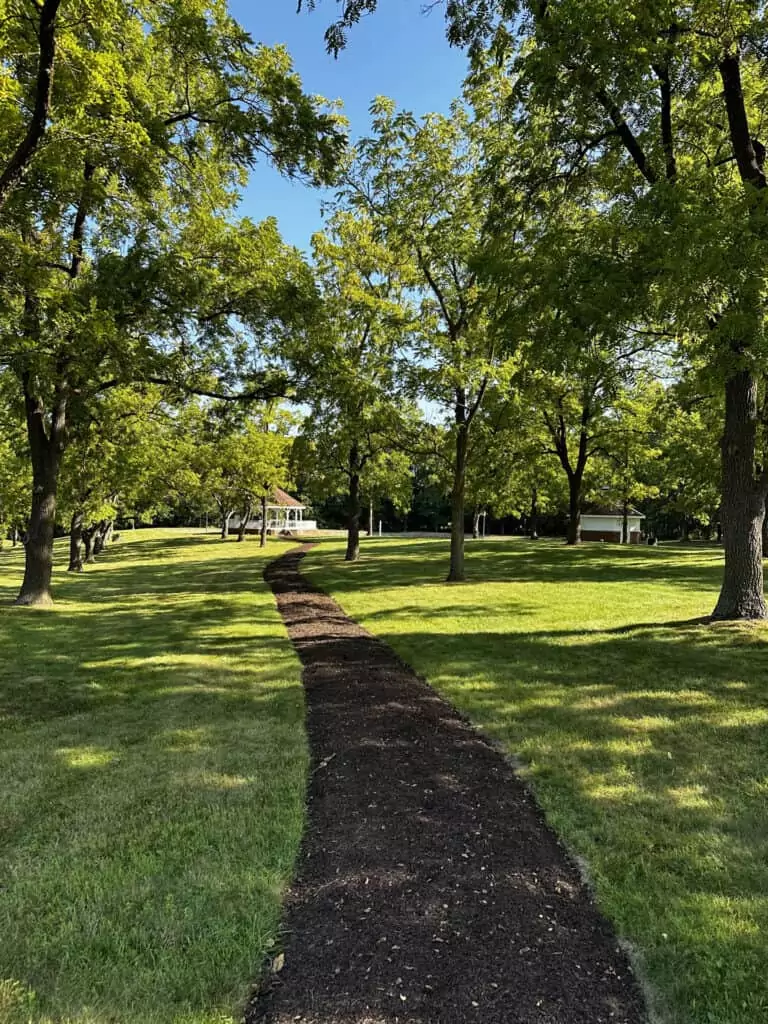
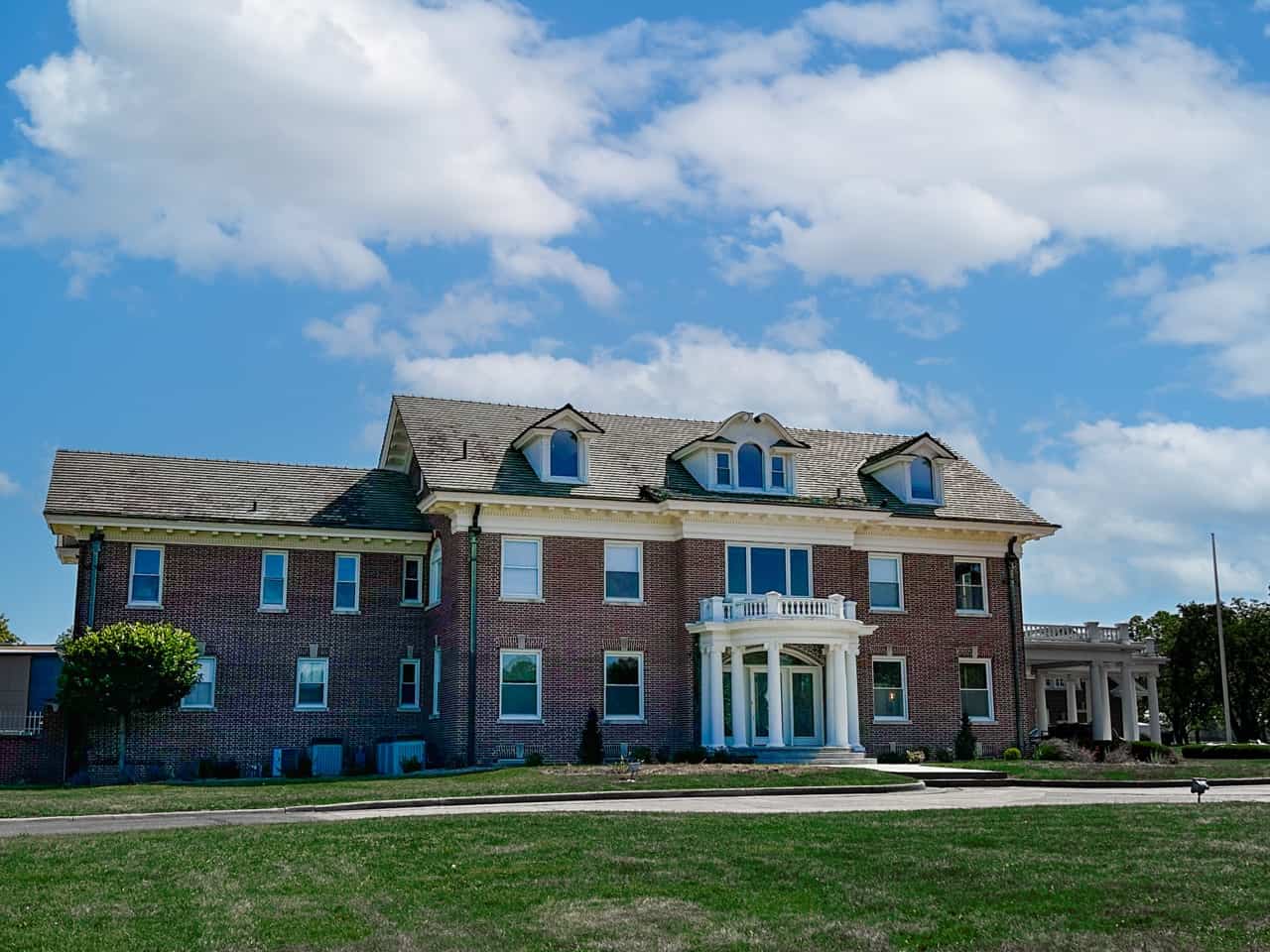
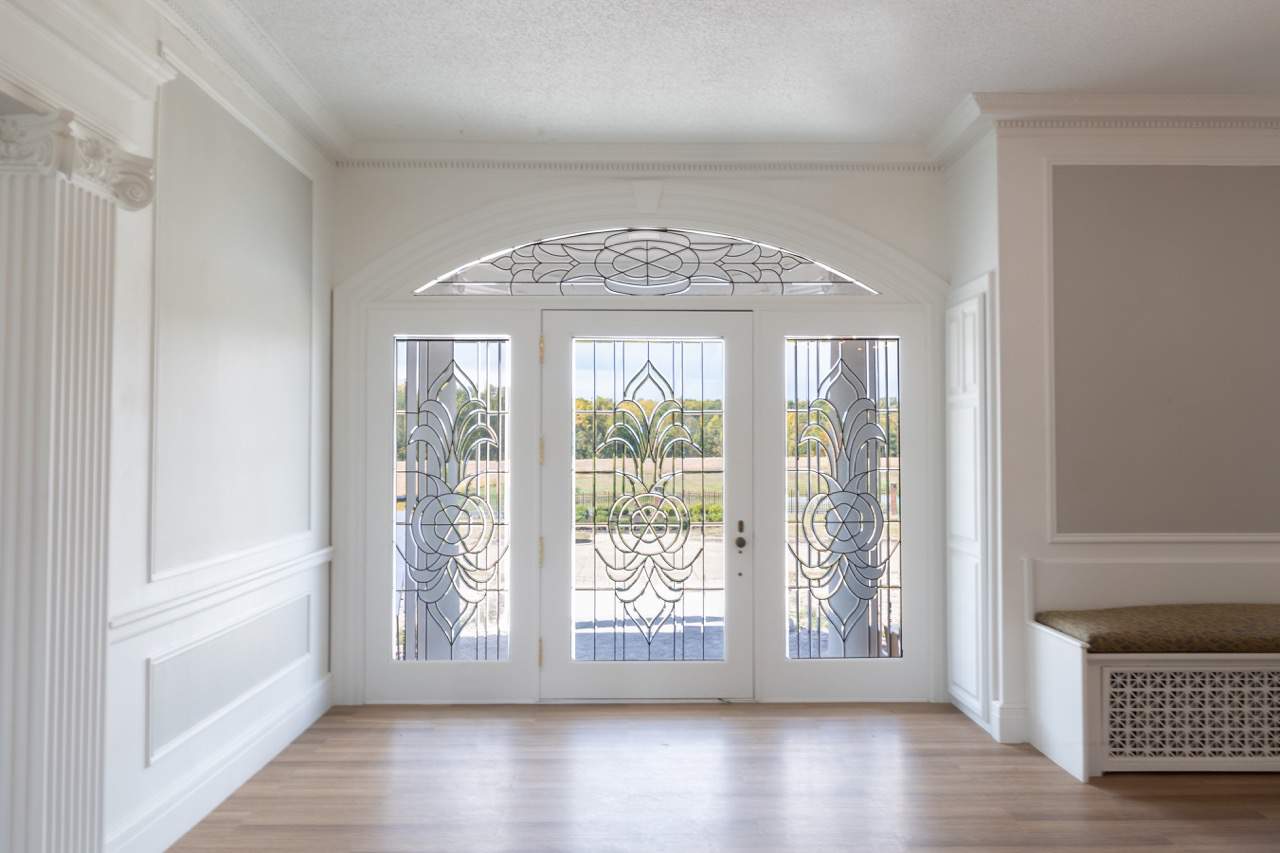
The Grove Estate is built around the 1889 Walnut Grove Mansion on 25 private acres outside Peru, Indiana, and runs as a luxury drug rehab center rather than a ward. Clients live in the on-site townhomes and use the library, the group rooms and the fire-pit lawn on the same grounds.




What Decides Which Programs Apply
A clinical assessment decides which of the programs below apply to a Lafayette client, and it is revisited while treatment runs.
Medical Drug & Alcohol Detox
Withdrawal management runs inside the residential program with physician-directed medication and 1:4 client-to-staff cover. Alcohol, benzodiazepines and fentanyl carry the most physical risk when withdrawal is attempted without oversight, and all three are managed on the campus.
Residential Rehabilitation
Individual counseling with a licensed clinician runs alongside daily group work and addiction education, with a 1:12 client-to-staff ratio. Rehabilitation for a Lafayette, Indiana client is problem-specific CBT and DBT rather than open-ended therapy.
Rehab for Professionals
The professional track groups clients whose licenses, clearances or hospital privileges make disclosure expensive, which changes what a group can say out loud. Federal FMLA leave protects employment for eligible employees for the duration of a residential stay.
Dual Diagnosis Treatment
A psychiatric provider evaluates every client on admission and conducts weekly rounds, so medication for a co-occurring psychiatric condition is adjusted while addiction treatment is underway instead of after it finishes. Both timetables run at The Grove Estate under one clinical team.
Family Integration
Family education and counseling run weekly, in person or by video, so a Lafayette family can join either way. The sessions teach the communication and boundary skills that have to hold in the weeks after discharge.
Wellness & Holistic Therapy
A recreational therapist runs expressive and physical work daily, from structured exercise to relaxation practice. Sleep, food and daily routine are part of the clinical schedule rather than extras.
Begin at The Grove Estate With One Confidential Call
The Grove Estate is where a Lafayette adult goes for residential drug and alcohol treatment, at the Peru campus in Miami County, and the assessment, the benefits check and the arrival date are all settled in one confidential conversation.
What Happens Between the First Call and the First Night
Five steps sit between the first call from Lafayette and the first night on campus, and The Grove Estate answers the admissions line at any hour, including when a relative rings on someone else's behalf.
Call 765-204-1188Call or Contact Admissions
Someone picks up at 765-204-1188 at any hour of the night. Every conversation is HIPAA-protected, and The Grove Estate tells no employer anything without the client’s written consent.
15 to 30 minutesClinical Assessment and Insurance Check
A licensed clinician completes an ASAM assessment while the benefits check runs in parallel, and the client is told the result on the same call rather than after a wait.
60 minutesTravel from Lafayette to Peru
The Grove Estate sits in Miami County, outside Peru. The Hoosier Heartland Highway runs 56 miles east then north, a little over an hour, with no city center to cross in either direction. A client who rings from the road is met at the entrance rather than left to find it.
About 1 hourMedical and Psychiatric Evaluation
The medical provider examines the client and reviews current prescriptions on arrival. The psychiatric provider completes a full evaluation the same day, and the clinical team puts a written treatment plan in place before the client’s first night away from Lafayette. Physician-directed medication starts where the assessment calls for it.
3 to 4 hours on admission dayThe Daily Schedule
Individual counseling, group work, addiction education and wellness sessions fill each day. The schedule holds through the whole stay rather than tapering into unstructured time near the end.
Daily throughout the residential stay
Who Delivers Clinical Care at The Grove Estate
The Grove Estate assigns each client on admission day to licensed clinicians, registered nurses, mental health workers, a recreational therapist, a medical provider and a psychiatric provider, and that same group signs off the discharge plan.

Dr. Steven Schneider
Dr. Steven Schneider is a board-certified psychiatrist and Diplomate and Fellow of the ABPN. He conducts comprehensive psychiatric evaluations at admission and leads weekly clinical rounds. Dr. Schneider oversees medication management and dual diagnosis treatment throughout each client's residential stay at The Grove Estate.

Lori Hawk
Lori Hawk has been with The Grove Estate since day one and holds a dual-leadership role overseeing the organization's quality management while directing all human resources activities, ensuring both clinical standards and staffing meet regulatory requirements.

Ryan Cowles
Ryan Cowles leads The Grove Estate registered nursing team in delivering 24-hour continuous medical oversight. He manages physician-prescribed detox protocols and monitors medical conditions throughout each residential stay. His team provides the clinical safety that distinguishes residential treatment from outpatient care.
What Clients and Families Say After Residential Treatment

I could not of asked for a better place to seek help ,this was my first time at a facility I feel so lucky I found the grove or should I say they found me I never have ever sought…

The entire experience at The Grove Estate was absolutely incredible. From start to finish, we were treated with such love, care, and professionalism. The staff was amazing and went above and beyond to make sure every detail of our event…

I had the opportunity to meet with Ken today during a visit to our campus in Ohio, and I was truly impressed by both him and The Grove Estate team. Ken took the time to walk me through their program…

I've had the pleasure of touring Grove Estate and have referred several clients there over the years. I own a few facilities myself and I have been doing this a long time. The clinical team is genuinely impressive — knowledgeable,…

They know me very well. I was one of their first clients. I love all staff and the place. I’m 53 and I’m not a shame to say I’ve been to many rehabs. This is the best one hands down.…

Wonderful place to heal. Forever changed my perspective on life. Gave me a chance to restart on a path that I was destined for. Met great people that I will call friends for the rest of my days and staff…
How Many Overdose Deaths Does Tippecanoe County Record Each Year?
Tippecanoe County recorded 32 overdose deaths in 2024 at an age-adjusted rate of 18.9 per 100,000, against 24.1 across Indiana, according to the Indiana Department of Health. The annual figures since 2020 read 34, 40, 48, 39 and 32 — an average of 39 a year inside a band 16 deaths wide. A number that flat is not a crisis that resolves itself, and The Grove Estate answers it with capacity that stays open rather than with a temporary push.
Unintentional and undetermined-intent overdose deaths in Tippecanoe County during 2024. That is the lowest of the five years on record and two fewer than the 34 counted in 2020.
Source: Indiana Department of Health, Indiana Overdose and Suicide Report, 2024
Age-adjusted overdose deaths per 100,000 in the county, 22% under the statewide 24.1. It also sits under the averages for both classes of Indiana county, 25.1 urban and 20.7 rural, in a county classified urban.
Source: Indiana Department of Health, 2024
Fall in county overdose deaths from 48 in 2022 to 32 in 2024. Indiana fell 37% over the same two years, so the county improved more slowly than the state around it.
Source: Indiana Department of Health, 2022 and 2024
The Grove Estate Treats Alcohol, Opioid, Stimulant and Benzodiazepine Dependence
Every substance use disorder and co-occurring psychiatric condition listed below is treated inside one designation, ASAM Level 3.5, so adults arriving from Lafayette and from every other Indiana county enter the same residential program at The Grove Estate.
Alcohol withdrawal can turn dangerous without oversight, which is why it is managed on the campus rather than at a home address. Anyone looking for alcohol rehab near Lafayette, Indiana at that level of supervision is looking for residential care, whatever the search term used to find it.
Fentanyl produces a faster withdrawal onset and a heavier symptom load than heroin or prescription opioids, so the taper runs under continuous nursing observation. The Grove Estate treats fentanyl, heroin, hydrocodone and codeine dependence on the same track.
Methamphetamine and cocaine withdrawal shows up as depression, flat mood and disturbed sleep rather than as physical instability. The Grove Estate therefore pairs psychiatric evaluation with structured behavioral work from the first week.
Xanax, Valium and Klonopin dependence needs a physician-directed taper rather than an abrupt stop. The taper runs on the campus, with the dose reduced on a schedule a physician sets and reviews.
A dual diagnosis means a psychiatric condition and a substance use disorder are present at the same time, and each one raises the difficulty of treating the other. Depression, anxiety, PTSD and bipolar disorder all turn up in that combination.
Occupational stress and the cost of disclosure keep high-functioning adults in the least disruptive option available for years after it stopped working. Confidentiality is therefore a clinical requirement at The Grove Estate and not a courtesy.
Frequently Asked Questions
Anything still unanswered? Call 765-204-1188 and ask the admissions team directly.
What happens when you detox from alcohol?
What happens in alcohol detox at The Grove Estate is monitored hour by hour rather than left to run its course, because unsupervised withdrawal turns dangerous. A physician prescribes what controls the symptoms and registered nurses record vital signs overnight. Anyone who has stopped drinking already and now feels physically unwell should call 911 or reach a medical provider the same day.
How do you get insurance to pay for inpatient rehab near Lafayette, Indiana?
By having a licensed clinician put the case for this level to the plan while the client is still at home, on the same call as the clinical assessment. What the insurer is asked to approve is the residential level itself, which is why the assessment comes first and the drive from Lafayette second. A plan that declines does so before anybody has packed.
How do you pay for drug rehab without commercial insurance?
Through a commercial plan, because that is the only kind The Grove Estate bills, and it bills out of network. Neither Medicaid nor Medicare works here, so callers holding one of those are pointed toward Indiana providers that take them. The plan is read before anyone travels and no price is quoted until it has been.
Does The Grove Estate run a suboxone clinic or sober living near Lafayette?
One licensed level, residential, is all The Grove Estate holds, which puts a suboxone clinic and a sober-living house outside it. Those are different services at different levels, and admissions will name the local option that fits when the assessment points that way.
Does a history of relapse after outpatient treatment count against admission?
A history of relapse after outpatient treatment is information the ASAM assessment uses, and it is not grounds for declining someone. Admission turns on that assessment, which a licensed clinician completes during the first conversation, and eligibility is adults aged 18 or over admitted voluntarily. A clinician who judges a lower level appropriate says so on the same call.
Free Crisis and Addiction Support
Free, confidential help reaches Lafayette callers through the four contacts printed here, each answering 24 hours a day and each run independently of The Grove Estate. Narcotics Anonymous is the one city-specific entry. Our admissions line for residential placement is 765-204-1188.
SAMHSA National Helpline
SAMHSA operates a free, confidential treatment referral service available 24 hours a day. Call 1-800-662-4357.
988 Suicide & Crisis Lifeline
Dialing or texting 988 connects callers to immediate mental health and crisis support around the clock.
Narcotics Anonymous in Lafayette
Find an NA meeting in Lafayette. Narcotics Anonymous is a free peer fellowship and is not operated by The Grove Estate. Dialing 211 reaches Indiana 211 for addiction, housing and food assistance by ZIP code.
Alcoholics Anonymous and the Good Samaritan Law
Find an AA meeting through the official Alcoholics Anonymous directory. Call 911 immediately in the event of an overdose, because Indiana’s Good Samaritan law provides limited immunity from prosecution when a person calls 911 to report one.
How Lafayette, Indiana Clients Reach The Grove Estate in Peru
The Grove Estate is at 3413 S Wallick Road, Peru, Indiana 46970, in Miami County, and every Lafayette client drives to that one address because the program runs at a single licensed location. The drive is 56 miles and about 1 hour 4 minutes by the fastest route.
The Hoosier Heartland Highway east toward Logansport, then north to Peru and local roads to S Wallick Road.
Approximately 56 miles, about 1 hour 4 minutes in normal traffic conditions.
Arrival day holds both the welcome and the clinical assessment for a Lafayette client.
Driving route from Lafayette, IN to The Grove Estate
3413 S Wallick Road, Peru, IN 46970 · 765-204-1188
A Recovery Center Serving Lafayette and All of Indiana
The Grove Estate admits adults from every Indiana county, including Dayton, Battle Ground, Delphi, Monticello, Attica, Williamsport, Frankfort and Crawfordsville. Select your city to find location-specific information about residential addiction treatment at the Peru, Indiana campus.